
 Kontakt
 Kako kupovati
Dostava
Savjetnik za kupnju
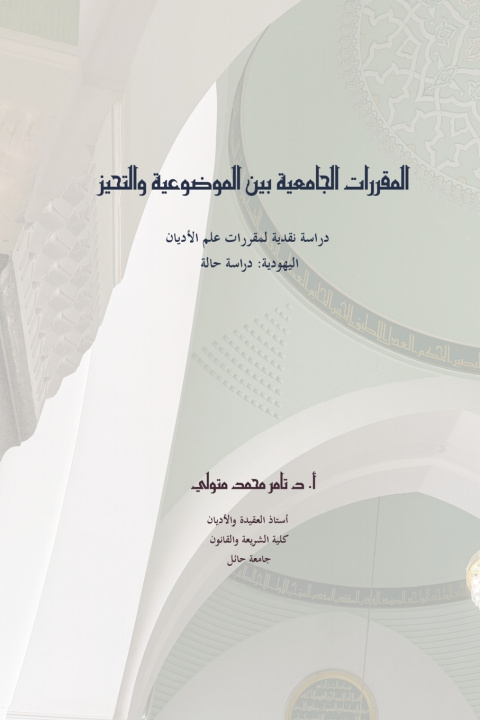
المقررات الجامعية بين الموضوعية والتحيز
 Arapski
 45 b
45 b
 Novo
Novo
Do 30 dana za povrat

يقدم هذا الكتاب دراسة نقدية رائدة للمقررات الجامعية في مجال علم الأديان، ويبحث في مدى التزامها بالموضوعية العلمية أو تأثرها بالتحيزات الفكرية والسياسية والمذهبية. ويتخذ من المقررات التي تتناول اليهودية في عدد من الجامعات العربية دراسة حالة، للكشف عن أثر اختيار المعلومات، وصياغة الأحكام، وطريقة عرض النصوص والمعتقدات والتاريخ في تكوين معرفة الطلاب بالديانات الأخرى.
يناقش المؤلف الأسس المنهجية التي ينبغي أن تحكم دراسة الأديان في البيئة الأكاديمية، ويوضح كيف يمكن للأحكام المسبقة أو الاعتماد على مصادر غير أصلية أو عرض الآراء الجدلية بوصفها حقائق مستقرة أن يؤدي إلى صورة ناقصة أو غير عادلة. كما يتناول الآثار العلمية والتربوية والمعرفية المترتبة على ذلك، ويدعو إلى التمييز بين الوصف العلمي للديانة وبين نقدها العقدي.
ولا يقتصر الكتاب على تشخيص مواطن الخلل، بل يقدم رؤية إصلاحية لبناء مقررات أكثر دقة واتزانا، تستند إلى الأمانة العلمية، والرجوع إلى المصادر الأصلية، وفهم كل ديانة في سياقها، مع الإفادة من مبادئ العدل والإنصاف في القرآن الكريم والشريعة الإسلامية وتراث العلماء. ويهدف الكتاب إلى تعزيز النزاهة الأكاديمية، وترسيخ ثقافة الحوار، ومساعدة الباحثين وأساتذة الجامعات وواضعي المناهج والطلاب على تقويم طرائق عرض الأديان وتطويرها.
This book presents a pioneering critical study of university curricula in the academic study of religions, asking whether they uphold scholarly objectivity or reflect intellectual, political, and sectarian bias. It examines courses dealing with Judaism at a number of Arab universities as a case study, exploring how the selection of information, formulation of judgments, and presentation of texts, beliefs, and history shape students' understanding of other religious traditions.
The author discusses the methodological principles that should govern the academic study of religion and shows how preconceived assumptions, dependence on secondary or unsuitable sources, and the presentation of polemical claims as established facts can produce incomplete or unfair representations. The book also considers the scholarly, educational, and intellectual consequences of such approaches and emphasizes the distinction between an academic description of a religion and theological criticism of it.
Beyond identifying weaknesses, the study offers a constructive framework for developing more accurate and balanced curricula. It calls for scholarly integrity, careful use of primary sources, and an effort to understand each religion within its own context, while drawing upon Qur'anic and Islamic principles of justice and fairness. Intended for researchers, university instructors, curriculum designers, and students, the book seeks to strengthen academic integrity, encourage responsible dialogue, and improve the teaching and study of religions.


Informacije o knjizi
Arapski
