
 Kontakt
 Kako kupovati
Dostava
Savjetnik za kupnju
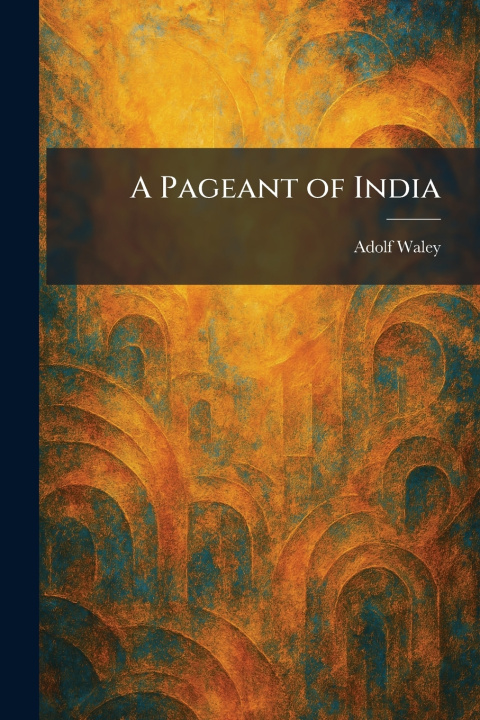
A Pageant of India
 Engleski
 72 b
72 b
30 dana za povrat kupljenih proizvoda

"A Pageant of India" provides a sweeping and evocative narrative of the Indian subcontinent's rich historical tapestry. Authored by Adolf Waley, this work traces the evolution of India from its ancient origins through the eras of the great dynasties and the subsequent arrival of Western influences. Through detailed descriptions and insightful analysis, the book explores the cultural, social, and political transformations that have shaped the region over millennia.
The narrative captures the grandeur of the Mughal Empire, the complexities of religious and philosophical developments, and the intricate social structures that define Indian life. Waley's writing style blends historical inquiry with a descriptive flair, bringing to life the legendary figures, epic conflicts, and architectural marvels of the subcontinent. As a comprehensive overview of Indian heritage, "A Pageant of India" serves as a significant resource for readers interested in the historical depth and diverse cultural identity of South Asia. This work offers a vivid portrait of a civilization marked by both remarkable continuity and profound change, emphasizing the enduring legacy of India's past.
This work has been selected by scholars as being culturally important, and is part of the knowledge base of civilization as we know it. This work was reproduced from the original artifact, and remains as true to the original work as possible. Therefore, you may see the original copyright references, library stamps (as most of these works have been housed in our most important libraries around the world), and other notations in the work.
This work is in the public domain in the United States of America, and possibly other nations. Within the United States, you may freely copy and distribute this work, as no entity (individual or corporate) has a copyright on the body of the work.
As a reproduction of a historical artifact, this work may contain missing or blurred pages, poor pictures, errant marks, etc. Scholars believe, and we concur, that this work is important enough to be preserved, reproduced, and made generally available to the public. We appreciate your support of the preservation process, and thank you for being an important part of keeping this knowledge alive and relevant.


Informacije o knjizi
Engleski
