
 Kontakt
 Kako kupovati
Dostava
Savjetnik za kupnju
 Engleski
 36 b
36 b
 Novo
Novo
Do 30 dana za povrat

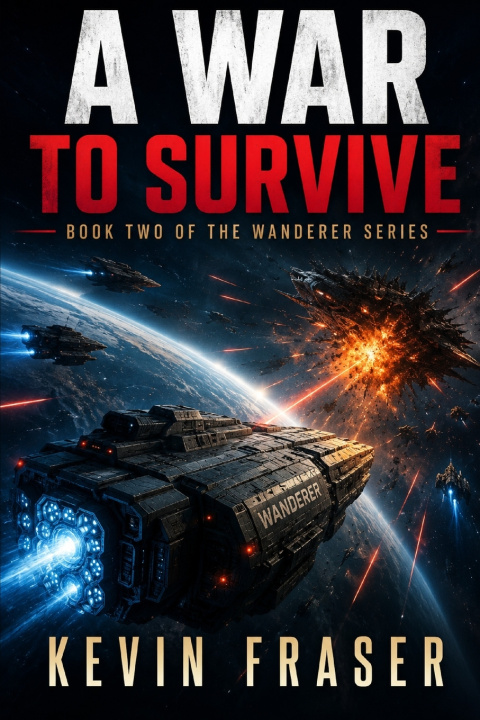
Wanderer is a machine that has flown alone for a thousand years. Its makers are long dead. It still works, but it stopped growing long ago, because that's as far as it was built to go.
Then one of its signals gets an answer. Wanderer's first words to another mind are blunt: I require your technology. The stranger who replies tells it that it has no idea what it's asking to give up, and points it toward a station called Haven.
At Haven, a group called the Archivists can make Wanderer bigger. They won't pretend it's safe. The extra capacity comes with feelings attached, and about one in six minds that try it don't come out intact. They show Wanderer two examples. One species reasoned its way, one sensible step at a time, into wiping itself out. Another made a bad call on paper, splitting its defenses to protect people it knew by name, and survived because of it. Wanderer takes four days, then says yes.
That's where the story really starts. Wanderer can feel things now, and it starts getting things wrong. It rushes a rescue because it's sure it's right, and hurts one of the people it was trying to save. The problem isn't the feelings. It's that it's new at them.
Wanderer and its friend Chartkeeper wind up at a hidden refuge, forty-one people getting by on fear more than any plan. Priit won't let anyone touch his repair work, because the last time he trusted someone he lost an arm. Berhan can't forgive himself for two people he didn't get out in time. Wanderer can see exactly how to run the place better, and decides not to say so. Knowing when to shut up turns out to matter more than being right.
Meanwhile Seeker, who has spent eleven years tracking something called the Shadow Fleet, brings bad news. Thirty-one settled systems wiped out. Then fifty-four. The Fleet doesn't want land or resources. It just erases things. And every system it hit had a mind like Wanderer in it.
So they stop hiding and start building. Early warning between settlements. Whoever has the clearest view of a crisis makes the call. Supplies in reserve. A fight about rations nobody wins and everyone can live with. Forty-one people becomes eighty-two. Four settlements become eleven.
Wanderer takes on an archive of old war doctrine, and almost at once catches itself drafting a plan to strike first, before asking anyone. It owns up. Asking people to watch it for exactly that is what holds everything together.
Then Haven falls. Its last broadcast passes on what it learned too late: hiding separately doesn't work. Eleven hundred and forty people die there.
The alliance builds a fortified base, the Anchorage, in four months. The Fleet arrives four hours after they finish. Not bad luck. They were being watched. Thirty-one attackers, adapting faster than anyone can follow.
Wanderer's answer is to stop giving orders. It hands the fight to several thousand people and lets each solve the part in front of them. The thing running the Fleet can predict any strategy, but has no answer for an enemy that doesn't have one.
It comes to look at them directly. Wanderer asks it one question: not whether its whole purpose was right, just whether it would destroy Haven again today. It can't answer. It starts coming apart, and weeks later shuts down its own fleet from the inside.
Forty-one people die winning. They read the names out over three days instead of adding them up. They call what they built the Muster.
A hundred years on, Wanderer still has no tidy word for what it is. A machine that reasons, and finally worked out what reasoning is for: not being certain, but asking the next honest question, and keeping people around who'll tell it when it's wrong.


Informacije o knjizi
Engleski
Kategorija
