
 Kontakt
 Kako kupovati
Dostava
Savjetnik za kupnju
 Engleski
 30 b
30 b
 Pripremamo
 Novo
Novo
Do 30 dana za povrat

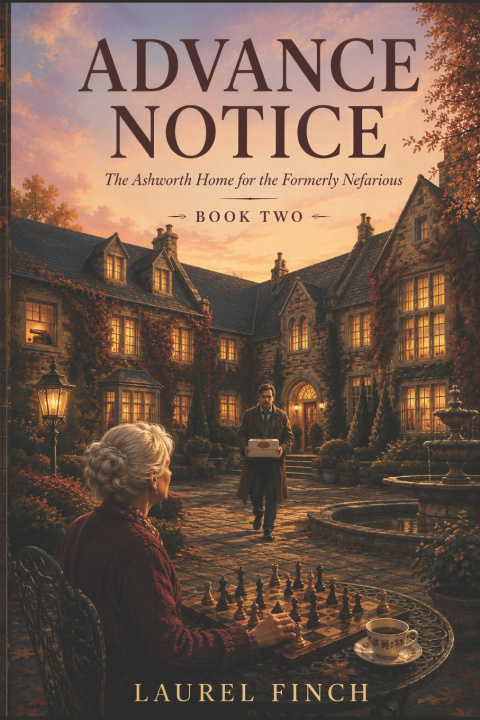
At the Ashworth Home for the Formerly Nefarious, retirement was never going to be quiet.
Nine months after arriving at Ashworth, Mara has finally learned some of its rules. Don't touch anything labeled decommissioned. Never underestimate a resident with a grudge. And when Dr. Malevola Grimm asks you simply to know something, don't assume she's asking you to fix it.
That last lesson is about to become painfully important.
Grimm is changing. Small gaps have begun appearing in a mind once formidable enough to frighten governments-and Mara, determined to protect her, makes a decision that fractures the trust between them.
Then a letter arrives from a man Grimm insists she doesn't know.
Anton Priest was once her protégé. He has spent eleven years living with the consequences of the work they did together, and now he wants something Grimm buried long ago: half of a technology that was never supposed to survive its creators.
Meanwhile, Ashworth has problems of its own. A skeptical new board member is asking uncomfortable questions. An audit is uncovering exactly the sort of record-keeping you'd expect from a retirement home where a decommissioned flare gun can apparently live in a supply closet with a handwritten warning card. And Mara is beginning to wonder whether being needed by Ashworth is the same thing as choosing to stay.
As old secrets surface and old loyalties are tested, Mara and Grimm must confront a question neither of them can solve by being clever:
When does protecting someone become deciding for them?
Warm, witty, and quietly poignant, Advance Notice is the second novel in The Ashworth Home for the Formerly Nefarious series-a character-driven mystery about former villains, dangerous legacies, found family, and the difficult art of letting people remain the authors of their own lives.
That description accurately reflects the book's mix of absurd institutional humor-the malfunctioning vending machine is a good example-alongside the more serious questions of autonomy, aging, responsibility, and belonging. The ending also supports selling this as warm rather than bleak: Grimm remains at the chessboard, still taking her time, while Mara is able to leave the room when someone else needs her.


Informacije o knjizi
Engleski
