
 Kontakt
 Kako kupovati
Dostava
Savjetnik za kupnju
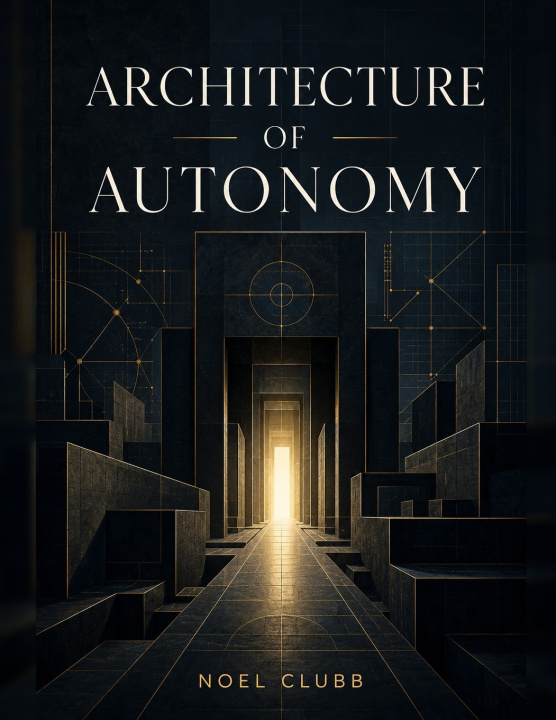
Architecture of Autonomy
A Systems Manual for Detecting, Containing, and Preventing Workplace Toxicity
 Engleski
 69 b
69 b
 Novo
Novo
Do 30 dana za povrat

This isn't really a book about "toxic employees." It is a book about how power becomes embedded in organizational systems-and how to design institutions so people cannot easily weaponize that power.
Workplace toxicity is often treated as a personality problem. Someone is labelled difficult, narcissistic, political, fragile, or impossible. The label circulates. The system remains unchanged.
Architecture of Autonomy replaces vague labels with a disciplined method for examining observable conduct, organizational power, incentives, information flow, decision rights, evidence quality, institutional cost, and control effectiveness. It demonstrates how destructive behaviour becomes protected by structural weaknesses-and how organizations can intervene without abandoning fairness, due process, privacy, accommodation, or individual accountability.
Inside this systems manual, readers will learn how to:
• Distinguish ordinary workplace conflict from repeated patterns of organizational harm
• Identify power concentrations, information bottlenecks, retaliation risks, and leadership blind spots
• Investigate behavioural concerns without amateur diagnosis or unsupported certainty
• Measure the hidden organizational costs of protected high performers and dysfunctional systems
• Convert vague corporate values into observable behavioural standards
• Design proportionate interventions, interim protections, and accountable decision processes
• Rebuild trust, operational clarity, and institutional memory after a damaging event
• Create governance, oversight, and assurance systems that reduce recurrence
The book also provides practical audits, investigation frameworks, decision records, behavioural standards, governance tools, recovery systems, a 90-day institutionalization roadmap, and difficult-case laboratories designed to strengthen professional judgment.
Written for executives, boards, HR and employee-relations professionals, managers, compliance leaders, investigators, consultants, and professionals navigating unhealthy systems, Architecture of Autonomy moves the conversation beyond identifying a villain. It addresses the harder question: What allowed the behaviour to become powerful, protected, and repeatable?
Healthy organizations do not require perfect personalities. They require systems capable of detecting harm, correcting it fairly, protecting legitimate rights, and learning without creating new harm in the process.
The goal is not control for its own sake. It is an institution in which people can think, speak, decide, and work without manufactured dependency, coercive ambiguity, retaliatory pressure, or information captivity.


Informacije o knjizi
Engleski

Poklonite ovu knjigu još danas
To je jednostavno
1 Dodajte knjigu u košaricu i odaberite isporuku kao poklon 2 Zauzvrat ćemo vam poslati kupon 3 Knjiga dolazi na adresu poklonoprimcaDobar dan! Ja sam Libroamiko, vaš književni savjetnik.
Kako vam mogu pomoći?