
 Kontakt
 Kako kupovati
Dostava
Savjetnik za kupnju
 Engleski
 106 b
106 b
Do 30 dana za povrat
Kupci su kupili i






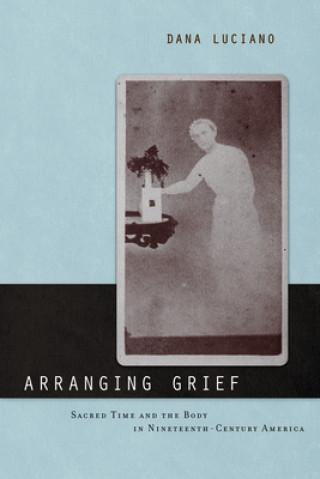
Tracing the proliferation of forms of mourning and memorial across a century increasingly concerned with their historical and temporal significance, "Arranging Grief" offers a much-needed new view of the aesthetic, social, and political implications of emotion. Considering a diversity of texts, including mourning manuals, sermons, memorial tracts, poetry, and fiction by writers such as James Fenimore Cooper, 'Catharine Maria Sedgwick, Susan Warner, Harriet E. Wilson, Herman Melville, Frances E. W. Harper, Frederick Douglass, Abraham Lincoln, Elizabeth Keckley, and Ralph Waldo Emerson, Dana Luciano illustrates the ways that grief coupled the feeling body to time. Nineteenth-century appeals to grief, as Luciano demonstrates, proliferated modes of "sacred time" across both religious and ostensibly secular frameworks, at once authorizing and unsettling established forms of connection to the past and the future. Drawing on formalist, Foucauldian and psychoanalytic criticism, "Arranging Grief" shows that literary engagements with grief offered ways of challenging deep-seated cultural assumptions about history, progress, bodies, and behaviors.


Informacije o knjizi
Engleski

Poklonite ovu knjigu još danas
To je jednostavno
1 Dodajte knjigu u košaricu i odaberite isporuku kao poklon 2 Zauzvrat ćemo vam poslati kupon 3 Knjiga dolazi na adresu poklonoprimcaMoglo bi vas zanimati i
 /
/
 Meki uvez
 21.17
€
21.17
€




Dobar dan! Ja sam Libroamiko, vaš književni savjetnik.
Kako vam mogu pomoći?