
 Kontakt
 Kako kupovati
Dostava
Savjetnik za kupnju
 Engleski
 116 b
116 b
Do 30 dana za povrat
Kupci su kupili i







 /
/
 Meki uvez
 38.36
€
38.36
€

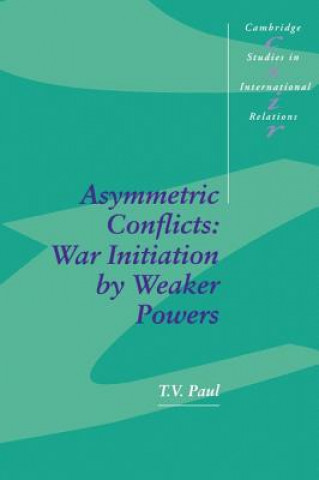
This book examines a question generally neglected in the study of international relations: why does a militarily and economically less powerful state initiate conflict against a relatively strong state? T. V. Paul analyses this phenomenon by focusing on the strategic and political considerations, domestic and international, which influence a weaker state to initiate war against a more powerful adversary. The key argument of deterrence theory is that the military superiority of the status quo power, coupled with a credible retaliatory threat, will prevent attack by challengers. The author challenges this assumption by examining six twentieth-century asymmetric wars, from the Japanese offensive against Russia in 1904 to the Argentine invasion of the Falkland Islands in 1982. The book's findings have wide implications for the study of war, power, deterrence, coercive diplomacy, strategy, arms races, and alliances.


Informacije o knjizi
Engleski
Kategorija

Poklonite ovu knjigu još danas
To je jednostavno
1 Dodajte knjigu u košaricu i odaberite isporuku kao poklon 2 Zauzvrat ćemo vam poslati kupon 3 Knjiga dolazi na adresu poklonoprimcaMoglo bi vas zanimati i



 /
Tvrdi uvez
109.43
€
/
Tvrdi uvez
109.43
€


 /
/
 Adobe ePub DRM
64.18
€
Adobe ePub DRM
64.18
€
 /
Meki uvez
150.33
€
/
Meki uvez
150.33
€


Dobar dan! Ja sam Libroamiko, vaš književni savjetnik.
Kako vam mogu pomoći?