
 Kontakt
 Kako kupovati
Dostava
Savjetnik za kupnju
 Engleski
 36 b
36 b
 Novo
Novo
Do 30 dana za povrat

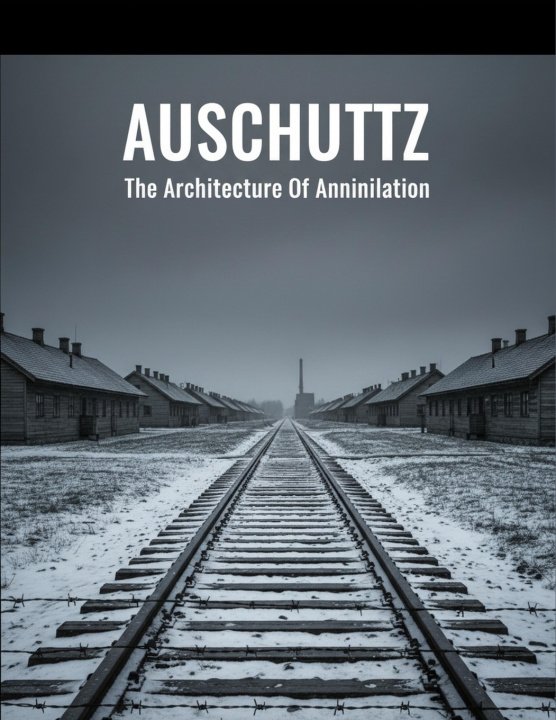
Auschwitz: The Architecture Of Annihilation is a profound and unflinching examination of the Holocaust's most infamous site, revealing it not merely as a place of suffering, but as a meticulously engineered system of industrialized mass murder. This book delves into the chilling genesis of Auschwitz, tracing its evolution from a concentration camp for Polish political prisoners, born from the Nazi regime's brutal "Intelligenzaktion" and quest for Lebensraum, to the central apparatus of the "Final Solution." It meticulously unpacks how extreme ideology, once given state power, translated into an all-encompassing system of annihilation, orchestrated by figures like Heinrich Himmler and Rudolf Höss.
This comprehensive analysis explores the daily grind of dehumanization, detailing the systematic stripping of identity and the relentless brutality faced by inmates. It dissects the machinery of death, from the selections on the ramp to the gas chambers, illustrating the cold efficiency with which human lives were extinguished. Beyond the mechanics of destruction, the book illuminates the complex human dynamics within the camp walls, including the "bonds forged in fire" among prisoners under duress and the varied "spectrum of SS conduct," ranging from bureaucratic indifference to outright aberration. Through individual narratives, such as the poignant relationship between Helena Citronova and Franz Dahler, it reveals the distorted realities and psychological scars of Auschwitz.
The narrative extends beyond the camp's physical boundaries to confront the enduring legacy of this unparalleled atrocity. It grapples with "the weight of testimony" and the legal reckoning that followed, while also engaging in "the battle for truth" against memory, denial, and historical revisionism. By exploring "the limits of evidence" and the challenges of reconstructing the unspeakable, this book offers a nuanced understanding that moves "beyond victim and perpetrator" to consider the complexities of agency in an environment designed to crush it. It challenges readers to confront the uncomfortable truths of history and the profound implications of systematic evil.
By engaging with this rigorous historical account, readers will gain:
- A profound and detailed understanding of how systematic ideology can manifest as industrialized genocide.
- Insight into the complex human experiences of victims, perpetrators, and those caught in between.
- A deeper appreciation for the ongoing struggle to preserve memory and confront historical revisionism.
- The ability to critically engage with the historical record and the challenges of reconstructing unspeakable events.
- A renewed commitment to vigilance against the forces of hatred and dehumanization.


Informacije o knjizi
Engleski
