
 Kontakt
 Kako kupovati
Dostava
Savjetnik za kupnju
 Engleski
 97 b
97 b
Do 30 dana za povrat
Kupci su kupili i














 /
/
 Meki uvez
 14.55
€
14.55
€

 /
Meki uvez
23.65
€
/
Meki uvez
23.65
€









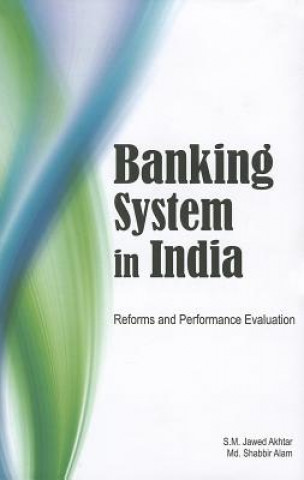
Prior to economic reforms initiated in early 1990s, the banking sector in India suffered from lack of competition, low capital base, inefficiency and high intermediation costs. The banking industry -- dominated by the public sector -- was subject to a high degree of financial repression, characterised by administered interest rates and allocated credit. Reforms in the commercial banking sector had two distinct phases. The first phase of reforms -- introduced subsequent to the release of the Report of the Committee on Financial System (Chairman: M Narasimham), 1992 -- focussed mainly on enabling and strengthening measures. The second phase of reforms -- introduced subsequent to the recommendations of the Committee on Banking Sector Reforms (Chairman: M. Narasimham), 1998 -- placed greater emphasis on structural measures and improvement in standards of disclosure and levels of transparency in order to align the Indian standards with international best practices. Reforms have brought about considerable improvements as reflected in various parameters relating to capital adequacy, asset quality, profitability and operational efficiency. Although commercial banks still face the problem of overhang of non-performing assets (NPAs), high spread and low profitability in comparison with banks in other emerging market economies, reforms have been successful in enhancing the performance of commercial banks in terms of both stability and efficiency parameters.


Informacije o knjizi
Engleski

Poklonite ovu knjigu još danas
To je jednostavno
1 Dodajte knjigu u košaricu i odaberite isporuku kao poklon 2 Zauzvrat ćemo vam poslati kupon 3 Knjiga dolazi na adresu poklonoprimcaMoglo bi vas zanimati i









 /
Meki uvez
19.20
€
/
Meki uvez
19.20
€












Dobar dan! Ja sam Libroamiko, vaš književni savjetnik.
Kako vam mogu pomoći?