
 Kontakt
 Kako kupovati
Dostava
Savjetnik za kupnju
 Engleski
 287 b
287 b
Do 30 dana za povrat
Kupci su kupili i













 /
/
 Meki uvez
 30.99
€
30.99
€


 /
Meki uvez
43.96
€
/
Meki uvez
43.96
€







 /
Meki uvez
51.76
€
/
Meki uvez
51.76
€

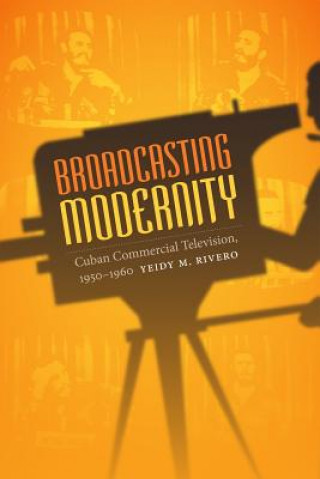
The birth and development of commercial television in Cuba in the 1950s occurred alongside political and social turmoil. In this period of dramatic swings encompassing democracy, a coup, a dictatorship, and a revolution, television functioned as a beacon and promoter of Cuba's identity as a modern nation. In "Broadcasting Modernity," television historian Yeidy M. Rivero shows how television owners, regulatory entities, critics, and the state produced Cuban modernity for television. The Cuban television industry enabled different institutions to convey the nation's progress, democracy, economic abundance, high culture, education, morality, and decency. After nationalizing Cuban television, the state used it to advance Fidel Castro's project of creating a modern socialist country. As Cuba changed, television changed with it. Rivero not only demonstrates television's importance to Cuban cultural identity formation, she explains how the medium functions in society during times of radical political and social transformation.


Informacije o knjizi
Engleski
Kategorija

Poklonite ovu knjigu još danas
To je jednostavno
1 Dodajte knjigu u košaricu i odaberite isporuku kao poklon 2 Zauzvrat ćemo vam poslati kupon 3 Knjiga dolazi na adresu poklonoprimcaMoglo bi vas zanimati i





















Dobar dan! Ja sam Libroamiko, vaš književni savjetnik.
Kako vam mogu pomoći?