
 Kontakt
 Kako kupovati
Dostava
Savjetnik za kupnju
CB RADIO
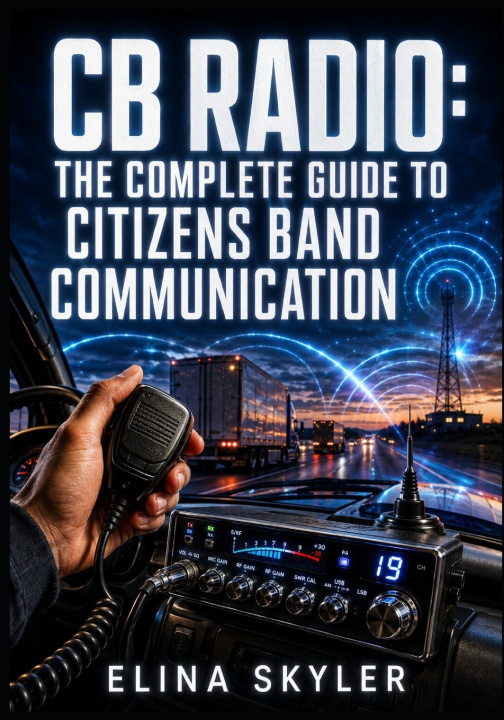
THE COMPLETE GUIDE TO CITIZENS BAND COMMUNICATION: Install Mobile and Base Station Radios, Set Up Antennas, Use SSB, and Communicate on Channel 19 and Beyond
 Engleski
 80 b
80 b
 Novo
Novo
Do 30 dana za povrat

Build a CB station that performs reliably, sounds clear, and makes sense from the radio controls all the way to the antenna.
CB communication can look straightforward until you face high SWR, weak range, electrical noise, confusing antenna choices, poor grounding, unclear SSB audio, or a radio that works well on receive but fails when you transmit. This guide explains how the complete station works so you can make informed choices instead of relying on trial and error or outdated radio folklore.
You will learn how to select, install, configure, tune, operate, test, and maintain mobile, base, portable, and specialized CB stations while understanding what each adjustment actually changes.
- Choose AM FM and SSB capabilities and configure squelch RF gain mic gain clarifier noise reduction scan and other essential controls
- Install a mobile radio with safe power wiring proper fusing voltage drop checks cable routing and practical placement
- Diagnose ignition noise alternator noise LED interference chargers and other vehicle generated RF problems
- Compare full length whips fiberglass antennas base loaded center loaded and top loaded designs
- Understand antenna resonance loading efficiency bandwidth counterpoise RF bonding and no ground plane systems
- Select 50 ohm coax install connectors measure SWR correctly and tune antennas without cutting a good antenna to compensate for a fault
- Understand why a low SWR does not automatically mean an efficient antenna and why the familiar 18 foot coax rule is not universal
- Build a practical base station with an appropriate power supply antenna mast feed line weather protection grounding and surge protection
- Understand AM modulation FM deviation capture effect USB LSB suppressed carrier and peak envelope power
- Use Channel 19 effectively for traffic hazards directions road conditions calling and shared channel communication
- Apply clear emergency and traveler assistance communication using plain language signal reports phonetics and useful operating practices
- Understand realistic range terrain antenna height noise floor ground wave direct wave sky wave skip zones Sporadic E F layer propagation and changing band conditions
- Operate SSB during long distance openings while managing fading congestion strong signals and receiver overload
- Troubleshoot no power no receive no transmit radio resets weak audio bad coax connector faults high SWR and short range
- Use SWR meters power meters multimeters dummy loads and antenna analyzers without misreading what the instruments are telling you
- Plan dual antenna co phased composite vehicle recreational portable and temporary installations with greater confidence
The emphasis stays on practical cause and effect. You will see why changing coax length can hide rather than repair a mismatch, why modern vehicle electrical systems require more care than older installation advice suggests, why grounding can mean several different things at RF, and why antenna placement and receiver noise can matter more than small differences in transmitter power.
Grab your copy today and build a CB setup you can understand, troubleshoot, and operate with confidence.


Informacije o knjizi
Engleski
