
 Kontakt
 Kako kupovati
Dostava
Savjetnik za kupnju
Citizen Portrait
 Engleski
 144 b
144 b
Do 30 dana za povrat
Kupci su kupili i



















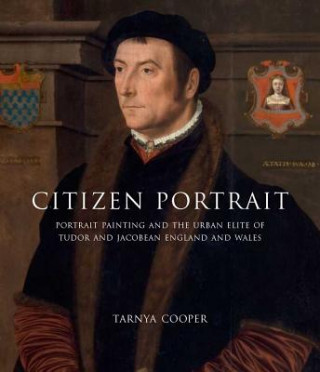
For much of early modern history, the opportunity to be immortalized in a portrait was explicitly tied to social class: only landed elites and royalty had the money and power to commission such an endeavour. But in the second half of the 16th century, access began to widen to the urban middle class, including merchants, lawyers, physicians, clergy, writers, and musicians. As more accessible portraiture proliferated in English cities and towns, the middle class gained social visibility - not just for themselves as individuals, but often for their entire class or industry. In "Citizen Portrait", Tarnya Cooper examines the patronage and production of portraits in Tudor and Jacobean England, focusing on the motivations of those who chose to be painted and the impact of the resulting images. Highlighting the opposing, yet common, themes of piety and self-promotion, Cooper has revealed a fresh area of interest for scholars of early modern British art.


Informacije o knjizi
Engleski

Poklonite ovu knjigu još danas
To je jednostavno
1 Dodajte knjigu u košaricu i odaberite isporuku kao poklon 2 Zauzvrat ćemo vam poslati kupon 3 Knjiga dolazi na adresu poklonoprimcaMoglo bi vas zanimati i













 /
/
 Meki uvez
 12.11
€
12.11
€


 /
Meki uvez
24.94
€
/
Meki uvez
24.94
€










Dobar dan! Ja sam Libroamiko, vaš književni savjetnik.
Kako vam mogu pomoći?