
 Kontakt
 Kako kupovati
Dostava
Savjetnik za kupnju
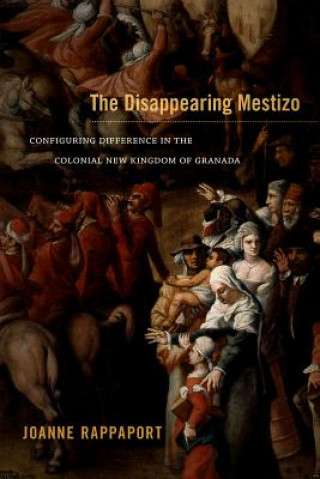
Disappearing Mestizo
 Engleski
 300 b
300 b
Do 30 dana za povrat
Kupci su kupili i


















 /
/
 Meki uvez
 9.09
€
9.09
€


Much of the scholarship on difference in colonial Spanish America has been based on the "racial" categorizations of indigeneity, Africanness, and the eighteenth-century Mexican castas system. Adopting an alternative approach to the question of difference, Joanne Rappaport examines what it meant to be mestizo (of mixed parentage) in the early colonial era. She draws on lively vignettes culled from the sixteenth- and seventeenth-century archives of the New Kingdom of Granada (modern-day Colombia) to show that individuals classified as "mixed" were not members of coherent sociological groups. Rather, they slipped in and out of the mestizo category. Sometimes they were identified as mestizos, sometimes as Indians or Spaniards. In other instances, they identified themselves by attributes such as their status, the language that they spoke, or the place where they lived. The Disappearing Mestizo suggests that processes of identification in early colonial Spanish America were fluid and rooted in an epistemology entirely distinct from modern racial discourses.


Informacije o knjizi
Engleski

Poklonite ovu knjigu još danas
To je jednostavno
1 Dodajte knjigu u košaricu i odaberite isporuku kao poklon 2 Zauzvrat ćemo vam poslati kupon 3 Knjiga dolazi na adresu poklonoprimcaMoglo bi vas zanimati i




 /
Meki uvez
154.36
€
/
Meki uvez
154.36
€




Dobar dan! Ja sam Libroamiko, vaš književni savjetnik.
Kako vam mogu pomoći?