
 Kontakt
 Kako kupovati
Dostava
Savjetnik za kupnju
Down Syndrome
 Engleski
 25 b
25 b
 Novo
Novo
Do 30 dana za povrat

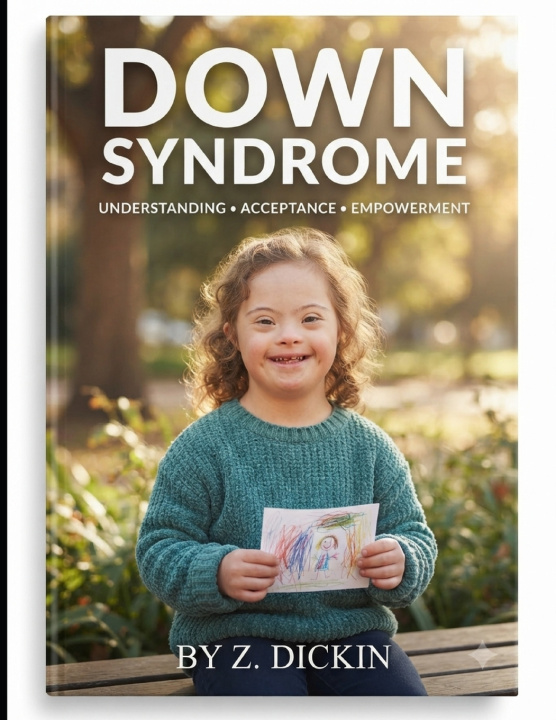
Down syndrome is one of the most recognizable genetic conditions in the world, yet it is often misunderstood. The presence of an additional copy of chromosome 21 affects development in complex ways, but it does not define the abilities, personality, aspirations, or potential of an individual. Every person with Down syndrome is unique, with individual strengths, challenges, interests, relationships, and life experiences.
This book has been written to provide a comprehensive introduction to Down syndrome from genetic, medical, developmental, educational, psychological, social, and lifelong perspectives. It is intended for students, educators, caregivers, families, healthcare learners, and general readers who wish to develop a clearer understanding of the condition.
The book begins with the biological foundations of Down syndrome, including chromosomes, genetics, trisomy 21, and the different genetic forms of the condition. It then examines prenatal diagnosis, clinical characteristics, associated medical conditions, developmental patterns, and approaches to healthcare.
Particular attention is given to childhood development and education. Early intervention, speech and language development, physical and occupational therapy, inclusive education, learning strategies, and family involvement are important components of supporting children with Down syndrome. Education should focus on meaningful learning and appropriate expectations rather than limiting a child's opportunities because of a diagnosis.
The later chapters explore adolescence and adulthood, including puberty, sexual health, relationships, employment, independent living, community participation, and self-advocacy. These subjects are essential because people with Down syndrome are individuals with the same fundamental needs for dignity, friendship, belonging, autonomy, and meaningful participation as other members of society.
A separate emphasis is placed on aging and health. Improvements in medical care have allowed many people with Down syndrome to live substantially longer lives. Consequently, healthcare must address both conditions associated with Down syndrome and the ordinary health needs of adulthood and aging. Cognitive aging and the increased risk of Alzheimer's disease are discussed alongside mental health, physical activity, preventive care, social relationships, and quality of life.
The final chapter considers the future of Down syndrome research and advocacy. Advances in genetics, neuroscience, medicine, technology, education, and accessibility may create new opportunities for improved health and independence. At the same time, scientific progress should always be accompanied by respect for human rights, informed decision-making, privacy, and individual choice.
This book is educational in nature and should not be considered a substitute for individualized medical advice. Healthcare recommendations, screening practices, and treatment options can change as new evidence becomes available. Readers should consult appropriately qualified healthcare professionals for personal medical decisions.
Above all, this book approaches Down syndrome from a person-centered perspective. The purpose is not merely to describe a chromosome or a collection of medical conditions, but to understand the lives of the people who have Down syndrome.
Down syndrome is a genetic condition, but a person is much more than a genetic diagnosis.


Informacije o knjizi
Engleski
