
 Kontakt
 Kako kupovati
Dostava
Savjetnik za kupnju
 Engleski
 139 b
139 b
Do 30 dana za povrat
Kupci su kupili i



















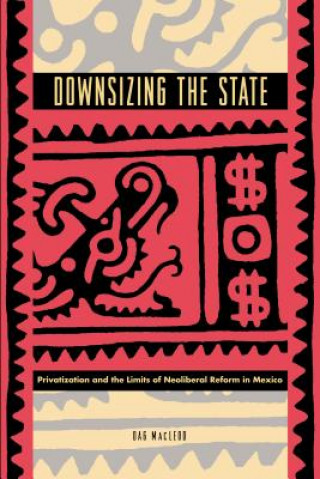
Beginning in 1983, the Mexican government implemented one of the most extensive programs of market-oriented reform in the developing world. Downsizing the State examines a key element of this reform program: the privatization of public firms.Drawing upon interviews with government officials, business executives, and labor leaders as well as data from government archives and corporate documents, MacLeod highlights the difficulties of linking market reforms to improved public welfare. Privatization failed to live up to its promise of raising living standards or decentralizing the economy. Indeed, privatization actually increased the concentration of wealth in Mexico while redirecting the economy toward foreign markets. These findings contribute to theoretical debates regarding state autonomy and the embeddedness of economic action. MacLeod calls into question the autonomy of the Mexican state in its privatization program. He shows that the creation of markets where public firms once dominated has involved both the destruction of social relations and the construction of new relations and institutions to regulate the market.


Informacije o knjizi
Engleski
Kategorija

Poklonite ovu knjigu još danas
To je jednostavno
1 Dodajte knjigu u košaricu i odaberite isporuku kao poklon 2 Zauzvrat ćemo vam poslati kupon 3 Knjiga dolazi na adresu poklonoprimcaMoglo bi vas zanimati i
 /
/
 Meki uvez
 7.54
€
7.54
€











 /
Meki uvez
14.48
€
/
Meki uvez
14.48
€





 /
Meki uvez
14.07
€
/
Meki uvez
14.07
€





 /
Meki uvez
34.39
€
/
Meki uvez
34.39
€

Dobar dan! Ja sam Libroamiko, vaš književni savjetnik.
Kako vam mogu pomoći?