Besplatna dostava putem Box Now paketomata i Overseas kurirske službe iznad 69,99 €.

Pridružite se zajednici ljubitelja knjige iz cijelog svijeta i ostvarite mnoštvo pogodnosti.
Izradite besplatni račun
Besplatna dostava Overseas kurirskom službom iznad 69.99 €
DPD kurir 3.99 €
DPD točka 3.49 €
GLS Kurir 4.99 €
GLS paketomat 3.99 €
Hrvatska pošta 4.99 €
Dostava Overseas 4.99 €
Box Now 4.49 €
 Kontakt
 Kako kupovati
Pomoć
Dostava
DPD kurir 3.99 €
DPD točka 3.49 €
GLS Kurir 4.99 €
GLS paketomat 3.99 €
Hrvatska pošta 4.99 €
Dostava Overseas 4.99 €
Box Now 4.49 €
Besplatna dostava Overseas kurirskom službom iznad 69.99 €
Savjetnik za kupnju
Ovdje smo zbog vas!
+385 21 784 0072
Moj račun
▸
Prazno :-(
0
Besplatna dostava putem Box Now paketomata i Overseas kurirske službe iznad 69,99 €.
Jezik
 Engleski
Engleski
Knjiga
Meki uvez
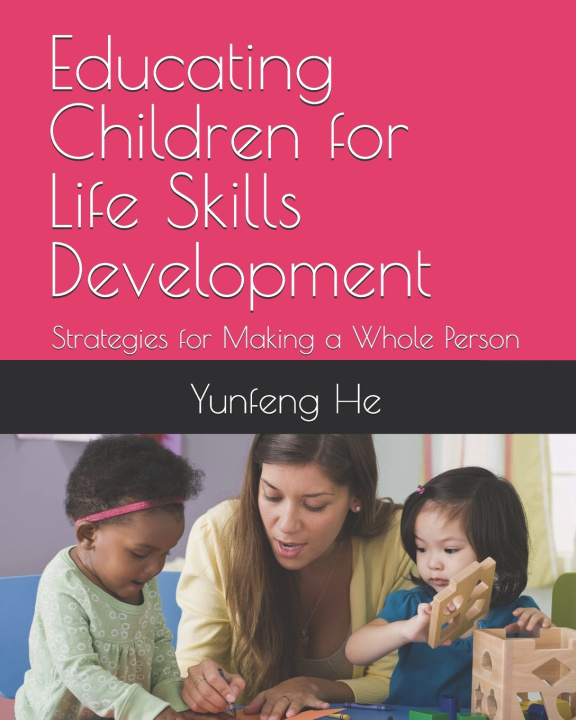
AbstractThis comprehensive volume presents a holistic framework for understanding and cultivating li...
Cijeli opis
Libristo kod: 53524559
?
 419 b
419 b
 Pripremamo
 Novo
Novo
419 b
Pripremamo
Novo
173.06
€
Očekivane nove zalihe
Dobivanje novih zaliha 18. 08. 2026
Do 30 dana za povrat

Abstract
This comprehensive volume presents a holistic framework for understanding and cultivating life skills essential for human development, independence, and meaningful participation in contemporary society. Spanning nine chapters, the book integrates biological foundations, practical competencies, emergency preparedness, digital literacy, and educational strategies to address the multifaceted nature of life skills development across the lifespan.The work begins by establishing the biological and philosophical underpinnings of human development, distinguishing human capabilities from animal behavior and outlining the essential conditions for individual flourishing. It then systematically explores the foundational skills required for independent living - self-care, personal safety, everyday maintenance, and specialized work skills - recognizing these as interconnected competencies that enable individuals to navigate daily life with confidence and autonomy.
A significant contribution of this volume is its inclusive approach to life skills education, dedicating substantial attention to the needs of persons with disabilities. The book provides detailed frameworks for understanding diverse disability classifications, current educational challenges, and tailored support strategies, emphasizing the importance of inclusive policies and lifespan transition planning. This commitment to accessibility reflects a fundamental recognition that life skills development is a universal human right and necessity.
The text addresses emergency preparedness with particular thoroughness, offering systematic approaches to understanding, assessing, and responding to various emergencies-from personal medical crises to natural disasters. By examining emergency response systems across different countries and providing detailed first aid protocols, the book equips readers with both theoretical knowledge and practical skills for managing critical situations.
In an increasingly interconnected world, the volume explores culturally diverse and adaptable life skills, including cultural competence, geographical mobility, and wilderness survival skills. The chapters on personal financial management and digital life skills are particularly timely, addressing the contemporary challenges of economic independence and responsible technology use, including cybersecurity, digital ethics, social media competence, and strategies for preventing screen addiction and online fraud.
The final section focuses on pedagogical approaches to life skills education, providing developmentally appropriate guidance for teaching children from birth through adolescence. This comprehensive educational framework addresses physical development, emergency preparedness, cultural diversity, financial literacy, digital citizenship, and cybersecurity, offering practical strategies for parents and educators to nurture independence and competence in young learners.
Throughout, the book emphasizes that life skills are not merely practical competencies but are fundamental to human dignity, autonomy, and the capacity to contribute meaningfully to community and society. By integrating biological foundations, psychological principles, educational practices, and contemporary challenges, this volume serves as an essential resource for educators, parents, healthcare professionals, policymakers, and individuals seeking to understand and cultivate the skills necessary for flourishing in the twenty-first century. It especially emphasizes on making whole persons with life skills for human development from independence to competence.
Glumica
&
Poliglotkinja
EWA KASP
za
Pusti video


Libristo ima najveći izbor literature na stranim jezicima. Zato svoje knjige kupujem ovdje.
Informacije o knjizi
Puni naziv
Educating Children for Life Skills Development
Autor
Yunfeng He
Jezik
Engleski
Engleski
Uvez
Knjiga - Meki uvez
Datum izdanja
2026
Broj stranica
470
EAN
9798192221198
Libristo kod
53524559
Nakladnici
Independently published
Težina
925
Dimenzije
203 x 254 x 24

Poklonite ovu knjigu još danas
To je jednostavno
1 Dodajte knjigu u košaricu i odaberite isporuku kao poklon 2 Zauzvrat ćemo vam poslati kupon 3 Knjiga dolazi na adresu poklonoprimca
Književni savjetnik Libroamiko
Korištenjem ovog chata komunicirate s generativnom umjetnom inteligencijom. Korištenjem istog također pristajete na obradu osobnih podataka.
Dobar dan! Ja sam Libroamiko, vaš književni savjetnik.
Kako vam mogu pomoći?
Dobar dan, ja sam Libroamiko, mogu li vam pomoći?