Kontakt
 Kako kupovati
Dostava
Savjetnik za kupnju
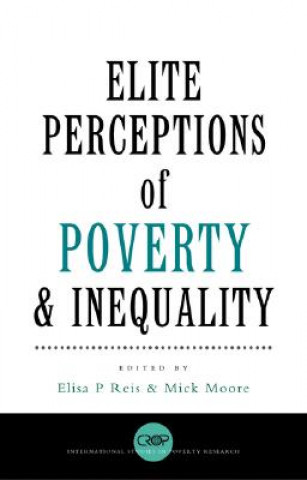
Elite Perceptions of Poverty and Inequality
 Engleski
 125 b
125 b
30 dana za povrat kupljenih proizvoda
Kupci su kupili i

 /
/
 Meki uvez
 73.85
€
73.85
€

 /
Meki uvez
15.57
€
/
Meki uvez
15.57
€

 /
Meki uvez
178.87
€
/
Meki uvez
178.87
€

 /
Tvrdi uvez
6.97
€
/
Tvrdi uvez
6.97
€






For policies to eliminate mass poverty to be effective, the national elites who control governments and economies in developing countries need to be convinced that poverty reduction is in their own and the national interest, and that public action can make a difference. Drawing on case studies from a range of developing countries, the contributors discover major differences in how national elites understand and represent poverty. The classic threats that induced elites in late 19th century Europe to be concerned about poverty - the fear of crime, epidemics, military weakness or political unrest - do not feature prominently in the consciousness of most developing country elites. Nor do most of them believe that there is a viable solution to poverty through public action. The findings help to explain the relative ineffectiveness of poverty reduction strategies so far, and illustrate the need to present poverty in ways that tie in with how national elites understand their world.


Informacije o knjizi
Engleski
Kategorija

Poklonite ovu knjigu još danas
To je jednostavno
1 Dodajte knjigu u košaricu i odaberite isporuku kao poklon 2 Zauzvrat ćemo vam poslati kupon 3 Knjiga dolazi na adresu poklonoprimcaMoglo bi vas zanimati i





 /
Meki uvez
20.33
€
/
Meki uvez
20.33
€







 /
Tvrdi uvez
258.60
€
/
Tvrdi uvez
258.60
€