
 Kontakt
 Kako kupovati
Dostava
Savjetnik za kupnju
Ethical Prosperity
Understanding the Architecture of Islamic Economics
 Engleski
 109 b
109 b
 Pripremamo
 Novo
Novo
Do 30 dana za povrat

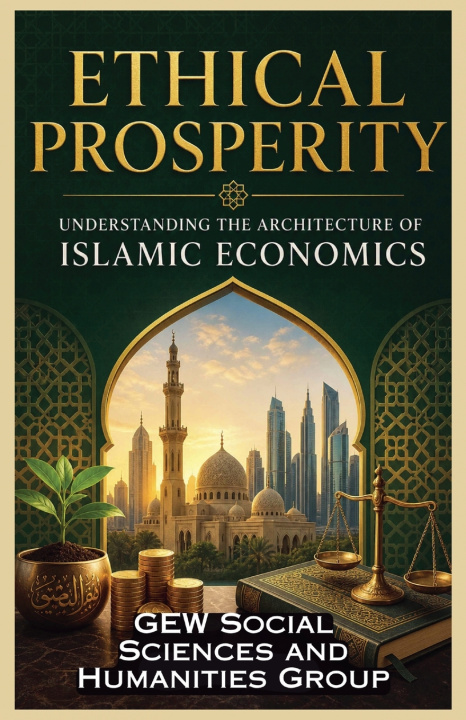
Ethical Prosperity: Understanding the Architecture of Islamic Economics offers a structured introduction to the principles, institutions, and contemporary applications that shape Islamic economic thought. Rather than treating Islamic economics as simply a system of banking without interest, this book presents it as a broader moral and institutional framework in which wealth, ownership, contracts, finance, redistribution, social welfare, and environmental responsibility are connected.
The book begins with the foundations of the Islamic economic worldview and traces the historical development of Islamic economic thought and classical jurisprudence. It then examines fundamental principles such as divine sovereignty over wealth and human stewardship before turning to the prohibition of riba and its economic implications. Particular attention is given to zakat, property rights, contractual frameworks, and the ethical boundaries that distinguish permissible economic activity from practices considered inconsistent with Shariah.
Readers are introduced to major Islamic financial instruments and banking models, including risk-sharing structures such as musharaka and mudaraba, as well as the operational dimensions of Islamic banking, Shariah governance, and compliance. The discussion then moves beyond theory to contemporary questions: financial inclusion, sustainable development, environmental stewardship, Islamic microfinance, poverty alleviation, and the design of effective economic policies.
The book also considers Islamic economics across different cultural and political contexts, allowing readers to see how principles are interpreted and applied in a changing global environment. Its final sections explore emerging directions in Islamic digital finance and practical strategies for designing Shariah-compliant business models.
Ethical Prosperity is intended for readers who want to understand Islamic economics as an integrated intellectual and practical field. It can serve students and researchers of Islamic economics, finance, business, development, and political economy, while also offering useful orientation for professionals, entrepreneurs, policymakers, and readers interested in ethical alternatives to conventional economic thinking.
Clear in structure and broad in scope, the book connects classical principles with modern institutions and emerging financial practices. It invites readers to consider a central question: how can economic activity pursue prosperity while remaining accountable to ethical principles, social responsibility, and the wider purposes of human welfare? It bridges conceptual study, institutional analysis, and contemporary financial realities today.


Informacije o knjizi
Engleski

Poklonite ovu knjigu još danas
To je jednostavno
1 Dodajte knjigu u košaricu i odaberite isporuku kao poklon 2 Zauzvrat ćemo vam poslati kupon 3 Knjiga dolazi na adresu poklonoprimcaDobar dan! Ja sam Libroamiko, vaš književni savjetnik.
Kako vam mogu pomoći?