
 Kontakt
 Kako kupovati
Dostava
Savjetnik za kupnju
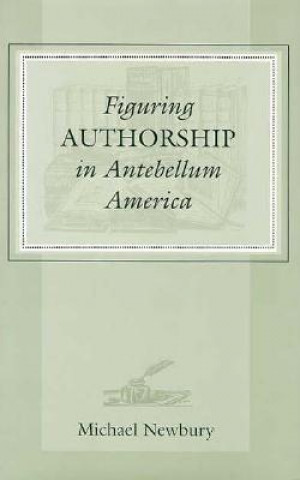
Figuring Authorship in Antebellum America
 Engleski
 201 b
201 b
Do 30 dana za povrat
Kupci su kupili i



 /
/
 Meki uvez
 54.47
€
54.47
€

 /
Meki uvez
16.63
€
/
Meki uvez
16.63
€





 /
Meki uvez
7.40
€
/
Meki uvez
7.40
€







 /
Meki uvez
14.60
€
/
Meki uvez
14.60
€




The increased demand for salable entertainment, for pleasing an expanded and unknown audience in its moments of leisure, fostered a new consciousness of authorship as a commercial and professional mode of work in the first half of the nineteenth century in America. This book argues that a range of canonical and more recently enfranchised antebellum authors from Nathaniel Hawthorne and Herman Melville to Harriet Beecher Stowe and Fanny Fern rhetorically reconstructed their newly professionalized work by mediating it through other forms of labor. The project of understanding authorship and its relation to other types of work became particularly urgent and complicated during the antebellum years of industrialization and literary commercialization because so many forms of work changed markedly. In order to solve a crisis of self-understanding, antebellum authors created paradigms of relation between their own work, industrial labor, slavery, white-collar work, and craft production. These relations tended to reflect sharp ambivalences about the potential benefits and problems of professional authorship and the industrial economy s emergent structures of labor.


Informacije o knjizi
Engleski

Poklonite ovu knjigu još danas
To je jednostavno
1 Dodajte knjigu u košaricu i odaberite isporuku kao poklon 2 Zauzvrat ćemo vam poslati kupon 3 Knjiga dolazi na adresu poklonoprimcaMoglo bi vas zanimati i















 /
Meki uvez
15.82
€
/
Meki uvez
15.82
€
Dobar dan! Ja sam Libroamiko, vaš književni savjetnik.
Kako vam mogu pomoći?