
 Kontakt
 Kako kupovati
Dostava
Savjetnik za kupnju
Friedreich's ataxia
 Engleski
 36 b
36 b
 Novo
Novo
Do 30 dana za povrat

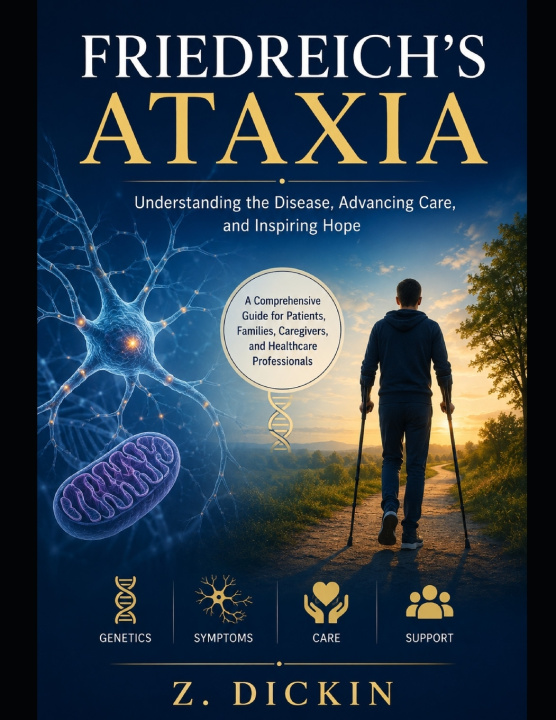
Friedreich's ataxia is a rare inherited neurological disorder that presents a complex challenge to patients, families, healthcare professionals, and researchers. Although it is best known for progressive problems with coordination and balance, its effects can extend to the peripheral nervous system, heart, musculoskeletal system, hearing, vision, speech, swallowing, and other aspects of daily life. A comprehensive understanding of the condition therefore requires more than an examination of its neurological manifestations.
This book, Friedreich's Ataxia, has been prepared to provide a structured and accessible overview of the disorder. It brings together fundamental concepts of genetics, molecular biology, pathophysiology, clinical manifestations, diagnosis, complications, management, rehabilitation, psychological considerations, and emerging therapeutic research.
The book begins with the biological foundations of Friedreich's ataxia and explains the role of the FXN gene and the GAA repeat expansion. Particular attention is given to frataxin deficiency and its relationship with mitochondrial dysfunction. These concepts provide the foundation for understanding how a genetic alteration can produce progressive neurological and systemic abnormalities.
The subsequent chapters examine the clinical presentation of the disease, including ataxia, sensory abnormalities, muscle weakness, speech and swallowing difficulties, skeletal abnormalities, and cardiac manifestations. The book also discusses respiratory health, psychological and social aspects, genetic counseling, and the importance of multidisciplinary care.
Another important objective is to describe the changing landscape of Friedreich's ataxia research. Advances in molecular genetics and mitochondrial biology have created new opportunities for therapeutic development. Disease-modifying approaches, gene-based therapies, RNA-based strategies, molecular treatments, biomarkers, and clinical trials are discussed to provide readers with an understanding of the direction in which the field is moving.
This book is intended primarily as an educational resource for students, teachers, researchers, healthcare professionals, and readers who wish to develop a broader understanding of Friedreich's ataxia. It may also serve as a starting point for individuals and families seeking general background information about the condition.
Because medical knowledge changes continuously, information regarding diagnosis, treatment, medications, clinical trials, and regulatory approvals should always be checked against current professional guidelines and authoritative medical sources. This book is intended for educational purposes and should not replace individualized advice from qualified healthcare professionals.
Ultimately, the study of Friedreich's ataxia demonstrates the importance of connecting genetics, neuroscience, cardiology, rehabilitation, and patient-centered care. Continued research and collaboration offer the possibility of improving diagnosis, slowing disease progression, preventing complications, and enhancing quality of life.
It is hoped that this book will contribute to a clearer understanding of Friedreich's ataxia and encourage continued interest in research, compassionate care, and scientific progress.


Informacije o knjizi
Engleski
