Kontakt
 Kako kupovati
Dostava
Savjetnik za kupnju
 Engleski
 82 b
82 b
Do 30 dana za povrat
Kupci su kupili i










 /
/
 Meki uvez
 32.12
€
32.12
€

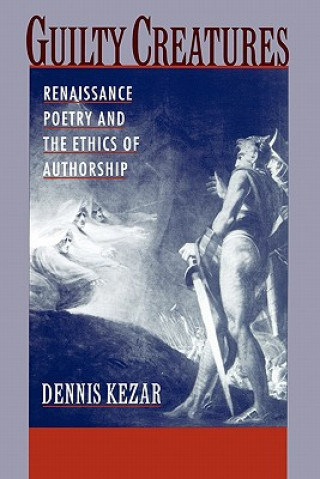
This study examines how Renaissance poets conceive the theme of killing as a specifically representational and interpretive form of violence. Closely reading both major poets and lesser known authors, Dennis Kezar explores the ethical self-consciousness and accountability that attend literary killing, paying particular attention to the ways in which this reflection indicates the poet's understanding of his audience. Kezar explores the concept of authorial guilt elicited by violent representation in poems including Skelton's Phyllyp Sparowe, Spenser's Faerie Queene, Shakespeare's Julius Caesar, the multi-authored Witch of Edmonton, and Milton's Samson Agonistes. In each case, he reflects on the poetic process and explores the ethical ramifications for both author and audience. In emphasizing the social, literary, and historical consequences of 'killing poems,' this volume further advances scholarship in historicist and speech-act theories of the early modern period.


Informacije o knjizi
Engleski

Poklonite ovu knjigu još danas
To je jednostavno
1 Dodajte knjigu u košaricu i odaberite isporuku kao poklon 2 Zauzvrat ćemo vam poslati kupon 3 Knjiga dolazi na adresu poklonoprimcaMoglo bi vas zanimati i
 /
Meki uvez
15.50
€
/
Meki uvez
15.50
€





 /
Meki uvez
44.58
€
/
Meki uvez
44.58
€




 /
Meki uvez
10.63
€
/
Meki uvez
10.63
€

 /
Tvrdi uvez
29.99
€
/
Tvrdi uvez
29.99
€

 /
Meki uvez
16.51
€
/
Meki uvez
16.51
€