Kontakt
 Kako kupovati
Dostava
Savjetnik za kupnju
 Engleski
 594 b
594 b
Do 30 dana za povrat
Kupci su kupili i













 /
/
 Meki uvez
 31.80
€
31.80
€

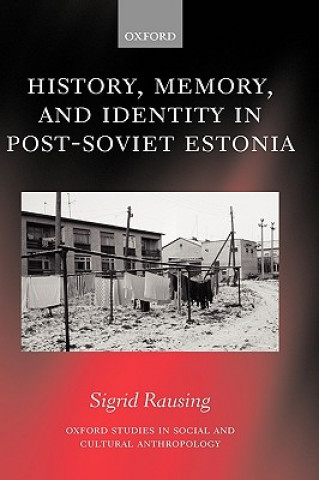
Sigrid Rausing describes the changing world of the Estonian Swedes, and the way in which this minority identity was constructed in the various ideologies that have dominated the region since the early twentieth century. In particular she is concerned with the latest of these changes: the post-Soviet attempt to 'restore' Swedish cultural identity. Rausing touches on a wide range of issues, debates, and insights: the relationship between ideology and form, nationalist and Soviet notions of ethnicity and traditional culture and historically-framed notions of an imagined normality. The ethnographic location for these discussions is a particular former collective farm, now subject to economic decline, the Estonian nation-building ideological project, and new relationships of dependency with Sweden. One of the author's central arguments is that these changes reflect a conscious attempt to 'reform habitus' so as to match that of the local image of the West, but that the location of ethnic culture and many of the operative concepts still reflect the tropes of the Soviet era.


Informacije o knjizi
Engleski
Kategorija

Poklonite ovu knjigu još danas
To je jednostavno
1 Dodajte knjigu u košaricu i odaberite isporuku kao poklon 2 Zauzvrat ćemo vam poslati kupon 3 Knjiga dolazi na adresu poklonoprimcaMoglo bi vas zanimati i



 /
/
 Adobe ePub DRM
15.44
€
Adobe ePub DRM
15.44
€






 /
Meki uvez
26.62
€
/
Meki uvez
26.62
€


 /
Tvrdi uvez
34.85
€
/
Tvrdi uvez
34.85
€

 /
Meki uvez
15.64
€
/
Meki uvez
15.64
€




 /
Meki uvez
26.62
€
/
Meki uvez
26.62
€