
 Kontakt
 Kako kupovati
Dostava
Savjetnik za kupnju
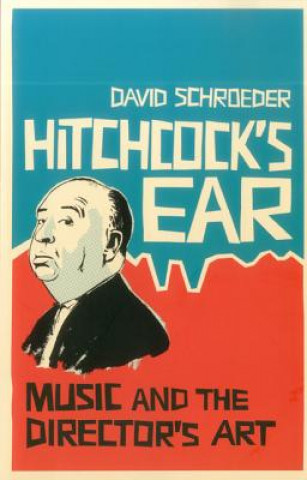
Hitchcock's Ear
 Engleski
 127 b
127 b
Do 30 dana za povrat
Kupci su kupili i



The author focuses on the way that music has infiltrated Hitchcock's thinking as a director, from his earliest silent films to his last works. Music is an underexplored dimension in Hitchcock's works. Taking a different view from most works on Hitchcock, David Schroeder focuses on how an expanded definition of music influences Hitchcock's conception of cinema. The structure and rhythm of his films is an important addition to the critical literature on Hitchcock and our understanding of his films and approach to filmmaking. Alfred Hitchcock liked to describe his work as a director in musical terms; for some of his films, it appears that he started with an underlying musical conception, and transformed that sense of music into visual images. The director's favorite scenes lacked dialogue, and they made their impact through a combination of non-verbal actions and music. For example, the waltz and the piano are used as powerful images in silent films, and this approach carries over into sound films. Looking at such films as "Vertigo", "Rear Window", and "Shadow of a Doubt", Schroeder provides a unique look at the way that Hitchcock thought about cinema in musical terms.


Informacije o knjizi
Engleski

Poklonite ovu knjigu još danas
To je jednostavno
1 Dodajte knjigu u košaricu i odaberite isporuku kao poklon 2 Zauzvrat ćemo vam poslati kupon 3 Knjiga dolazi na adresu poklonoprimcaMoglo bi vas zanimati i
 /
/
 Tvrdi uvez
 158.45
€
158.45
€


 /
Meki uvez
8.56
€
/
Meki uvez
8.56
€

 /
Meki uvez
19.26
€
/
Meki uvez
19.26
€



 /
Meki uvez
26.62
€
/
Meki uvez
26.62
€
 /
Meki uvez
50.42
€
/
Meki uvez
50.42
€




Dobar dan! Ja sam Libroamiko, vaš književni savjetnik.
Kako vam mogu pomoći?