
 Kontakt
 Kako kupovati
Dostava
Savjetnik za kupnju
 Engleski
 61 b
61 b
 Pripremamo
 Novo
Novo
Do 30 dana za povrat

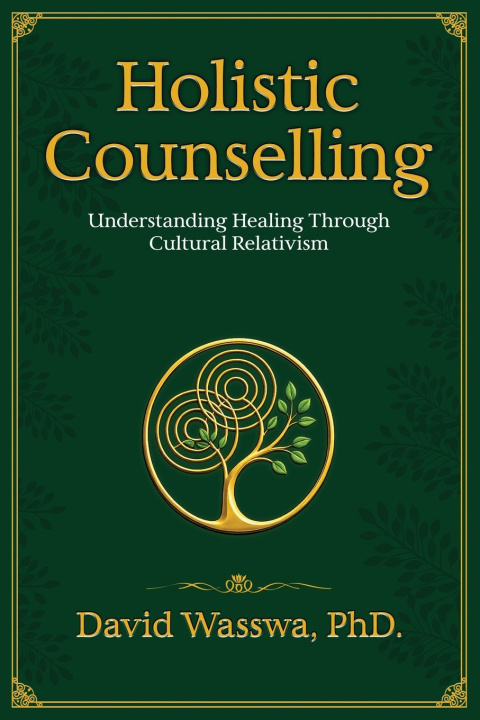
Holistic Counselling: Understanding Healing Through Cultural Relativism explores healing as a deeply human experience shaped by culture, spirituality, community, identity, relationships, and the mind-body connection.
Across societies, people understand illness, emotional distress, wellbeing, and recovery in remarkably different ways. While one culture may interpret these experiences primarily through psychological or biomedical frameworks, another may understand them through family relationships, spiritual beliefs, ancestral traditions, communal responsibilities, ritual, or the restoration of harmony.
Drawing upon perspectives from Africa, Indigenous traditions, Western therapeutic approaches, and other cultural settings, Dr David Wasswa examines how different societies understand wellbeing, counselling, healing, and recovery. The book considers storytelling and proverbs, ritual and symbolism, religion and spirituality, traditional healing, meditation, mind-body practices, ethics, and contemporary therapeutic approaches.
At the heart of the book is the principle of cultural humility: the recognition that counsellors and helping professionals must remain attentive to the cultural worlds of those they seek to understand. Rather than presenting one tradition as universally superior, Holistic Counselling encourages dialogue between different systems of knowledge while recognising their distinctive histories, values, strengths, and limitations.
The book also examines ethical challenges in cross-cultural counselling, including questions of power, interpretation, cultural assumptions, and the danger of imposing one worldview upon another. It encourages a compassionate and culturally responsive approach that understands the individual within a wider network of family, community, belief, history, and lived experience.
Accessible yet scholarly, Holistic Counselling is written for counsellors, students, researchers, healthcare and helping professionals, as well as general readers interested in culture, psychology, spirituality, healing, and the mind-body relationship.
Ultimately, the book invites readers to move beyond a single model of healing and consider a broader question:
Can we truly understand the person without understanding the culture that helps shape them?


Informacije o knjizi
Engleski
Kategorija
