
 Kontakt
 Kako kupovati

Dostava
Savjetnik za kupnju
 Engleski
 40 b
 Pripremamo
 Novo
Do 30 dana za povrat

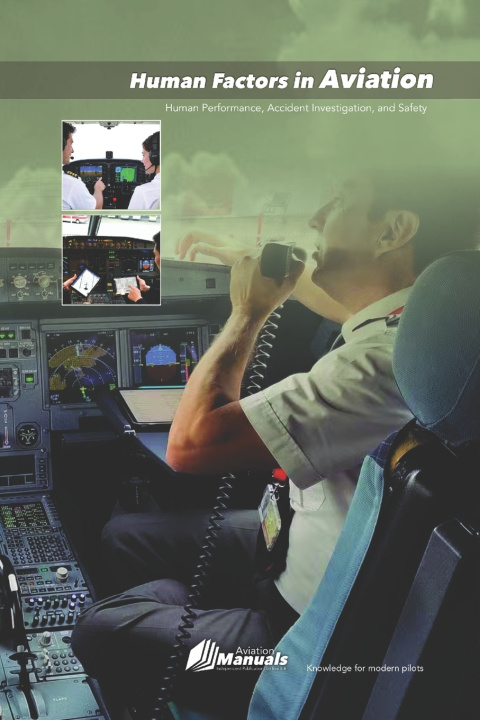
More than a century has passed since humankind first conquered the skies. This achievement required courage, experimentation, and the acceptance of considerable risk. As aviation evolved, experience, research, and continuous improvement gradually transformed flight into one of the safest and most highly regulated forms of transportation.
This progress, however, did not occur without loss. Many of the principles that define modern aviation safety were developed through the careful investigation of accidents and incidents. Each event provided valuable lessons about aircraft design, operational procedures, organizational practices, decision-making, communication, and human performance.
Today, human factors are recognized as a fundamental component of aviation safety. Technical knowledge and flying skills alone are not sufficient. Flight crews must also understand how fatigue, stress, workload, situational awareness, communication, leadership, teamwork, and decision-making can influence operational performance.
Maintaining and improving aviation safety requires constant attention. Procedures must be reviewed, risks must be identified, and lessons from previous events must remain part of professional training. A strong safety culture depends on the ability to examine mistakes objectively and convert experience into practical knowledge. This book explores the development of human factors in aviation and examines the concepts and techniques that support safe flight operations. It also analyzes significant aviation accidents to identify their contributing factors and extract lessons that remain relevant to pilots, instructors, aviation professionals, and future flight crew members.


Informacije o knjizi
Engleski

Poklonite ovu knjigu još danas
To je jednostavno
1 Dodajte knjigu u košaricu i odaberite isporuku kao poklon 2 Zauzvrat ćemo vam poslati kupon 3 Knjiga dolazi na adresu poklonoprimcaDobar dan! Ja sam Libroamiko, vaš književni savjetnik.
Kako vam mogu pomoći?