
 Kontakt
 Kako kupovati
Dostava
Savjetnik za kupnju
INQUIRY
 Engleski
 58 b
58 b
 Novo
Novo
Do 30 dana za povrat

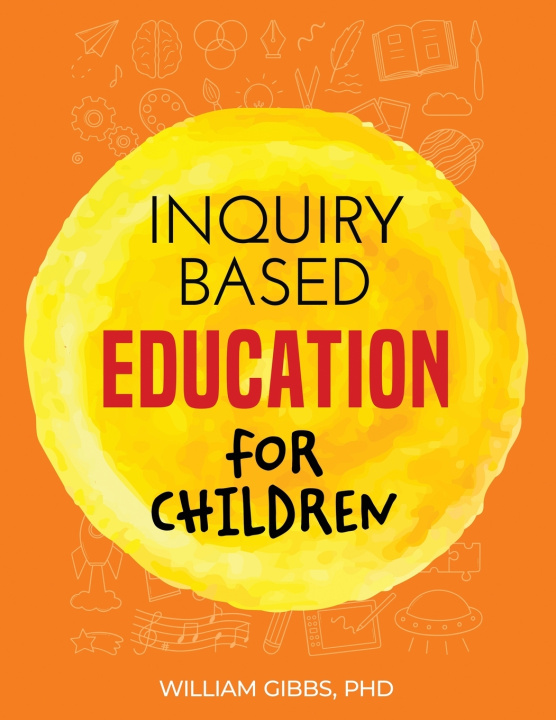
INQUIRY - Exam Prep Description
Inquiry is the process of seeking knowledge, understanding, and solutions through questioning, investigation, observation, analysis, and critical thinking. It is a learner-centered approach that encourages individuals to explore ideas, examine evidence, ask meaningful questions, and construct knowledge through active participation rather than passive memorization. Inquiry is a fundamental component of education, scientific research, and problem-solving across all disciplines.
The subject introduces the principles of inquiry-based learning, where learners develop understanding by asking questions, gathering information, analyzing data, testing ideas, and drawing evidence-based conclusions. Students learn that inquiry promotes curiosity, creativity, independent thinking, and lifelong learning by encouraging active engagement with concepts and real-world problems.
The course covers the inquiry process, including identifying a problem or question, formulating hypotheses, planning investigations, collecting data, observing, experimenting, analyzing evidence, interpreting results, communicating findings, and reflecting on the learning process. These stages help learners develop systematic approaches to exploring new knowledge and solving complex problems.
Students examine different types of inquiry, including structured inquiry, guided inquiry, open inquiry, confirmation inquiry, scientific inquiry, collaborative inquiry, and reflective inquiry. They learn how each approach supports different learning objectives and promotes varying levels of learner independence.
The course also explores the cognitive skills involved in inquiry, such as critical thinking, logical reasoning, analytical thinking, observation, problem solving, decision making, information literacy, creativity, and metacognition. Learners study how inquiry develops communication, collaboration, and research skills while fostering intellectual curiosity and evidence-based reasoning.
Practical applications include conducting research projects, scientific investigations, classroom discussions, case studies, experiments, field observations, project-based learning, problem-based learning, and collaborative activities. Students learn how to formulate effective research questions, evaluate sources of information, analyze findings, and communicate conclusions clearly and ethically.
Assessment methods include research reports, presentations, portfolios, laboratory activities, observations, reflective journals, project work, and authentic performance assessments, which evaluate learners' ability to investigate, analyze, and apply knowledge effectively.
Overall, Inquiry equips learners with the knowledge, skills, and attitudes needed to ask meaningful questions, investigate problems systematically, evaluate evidence critically, make informed decisions, and apply knowledge in academic, professional, and real-world contexts. It fosters curiosity, independent learning, innovation, and lifelong intellectual growth.


Informacije o knjizi
Engleski

Poklonite ovu knjigu još danas
To je jednostavno
1 Dodajte knjigu u košaricu i odaberite isporuku kao poklon 2 Zauzvrat ćemo vam poslati kupon 3 Knjiga dolazi na adresu poklonoprimcaDobar dan! Ja sam Libroamiko, vaš književni savjetnik.
Kako vam mogu pomoći?