
 Kontakt
 Kako kupovati
Dostava
Savjetnik za kupnju
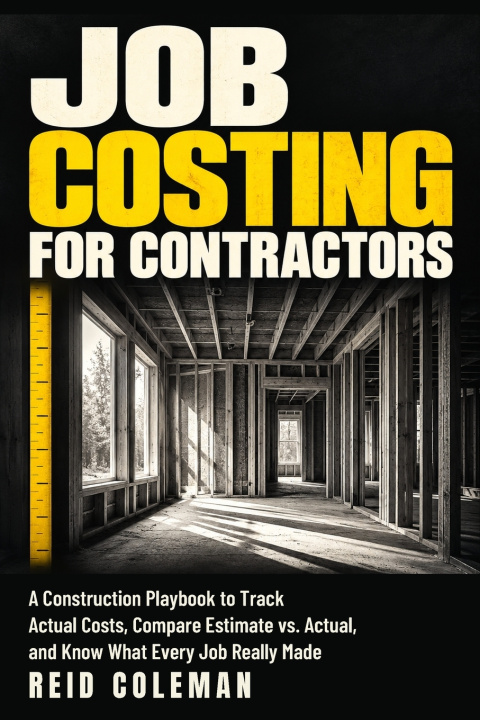
Job Costing for Contractors
Track Actual Costs, Compare Estimate vs. Actual, and Know What Every Job Really Made
 Engleski
 37 b
37 b
 Pripremamo
 Novo
Novo
Do 30 dana za povrat

A project can stay busy, look healthy, and still give away thousands of dollars of the profit you expected to make.
You estimated the labor. You priced the materials. You reviewed the subcontractor quotes. The job was sold.
But once construction begins, the real question is different:
What is this job actually costing you, where is it financially heading, and what will it really make?
Job Costing for Contractors is a practical guide for owner-operators, general contractors, remodelers, builders, specialty contractors, and small-to-midsize construction businesses that want better control of project costs and profit without turning job costing into an accounting exercise.
Using a realistic contractor case that develops from estimate through closeout, Reid Coleman shows you how to connect what you expected a job to cost with what production is actually consuming.
You will learn how to:
- Turn an estimate into a job-cost budget that remains useful during production
- Separate the original budget, revised budget, and live forecast
- Track labor hours and loaded labor cost instead of watching payroll dollars alone
- Understand whether material differences come from price, quantity, waste, returns, or rework
- Keep subcontractor commitments visible before the final invoices arrive
- Build a realistic cost-to-complete forecast and projected final job cost
- Compare expected gross profit and margin with where the project is actually heading
- Separate estimating problems from production problems, changed scope, and project-specific risk
- Close the job financially and feed completed-project evidence back into future estimates
This book shows you how to tell the difference.
This is not a construction accounting textbook, a software manual, or a complicated WIP system designed for large corporate contractors. It is a practical operating guide for working contractors who need reliable answers while the job is still moving.
If you price work, manage crews, purchase materials, coordinate subcontractors, approve changes, or own the financial result of construction projects, Job Costing for Contractors will help you answer the question every completed job should answer:
What did the job actually cost, what did it really make, why did the result change, and what should you do differently next time?


Informacije o knjizi
Engleski

Poklonite ovu knjigu još danas
To je jednostavno
1 Dodajte knjigu u košaricu i odaberite isporuku kao poklon 2 Zauzvrat ćemo vam poslati kupon 3 Knjiga dolazi na adresu poklonoprimcaDobar dan! Ja sam Libroamiko, vaš književni savjetnik.
Kako vam mogu pomoći?