
 Kontakt
 Kako kupovati
Dostava
Savjetnik za kupnju
Manhood Lost
Fallen Drunkards and Redeeming Women in the Nineteenth-Century United States
 Engleski
 80 b
80 b
Do 30 dana za povrat
Kupci su kupili i









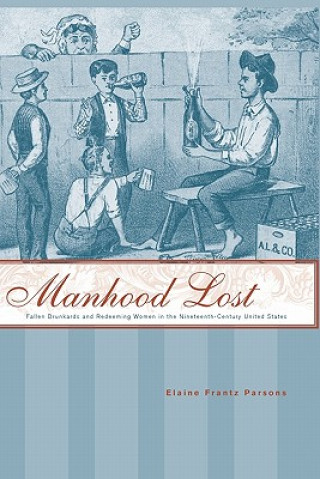
In fiction, drama, poems, and pamphlets, nineteenth-century reformers told the familiar tale of the decent young man who fell victim to demon rum: Robbed of his manhood by his first drink, he slid inevitably into an abyss of despair and depravity. In its discounting of the importance of free will, argues Elaine Frantz Parsons, this story led to increased emphasis on environmental influences as root causes of drunkenness, poverty, and moral corruption-thus inadvertently opening the door to state intervention in the form of Prohibition. Parsons also identifies the emergence of a complementary narrative of "female invasion"-womanhood as a moral force powerful enough to sway choice. As did many social reformers, women temperance advocates capitalized on notions of feminine virtue and domestic responsibilities to create a public role for themselves. Entering a distinctively male space-the saloon-to rescue fathers, brothers, and sons, women at the same time began to enter another male bastion-politics-again justifying their transgression in terms of rescuing the nation's manhood.


Informacije o knjizi
Engleski

Poklonite ovu knjigu još danas
To je jednostavno
1 Dodajte knjigu u košaricu i odaberite isporuku kao poklon 2 Zauzvrat ćemo vam poslati kupon 3 Knjiga dolazi na adresu poklonoprimcaMoglo bi vas zanimati i





 /
/
 Tvrdi uvez
 195.18
€
195.18
€




Dobar dan! Ja sam Libroamiko, vaš književni savjetnik.
Kako vam mogu pomoći?