
 Kontakt
 Kako kupovati
Dostava
Savjetnik za kupnju
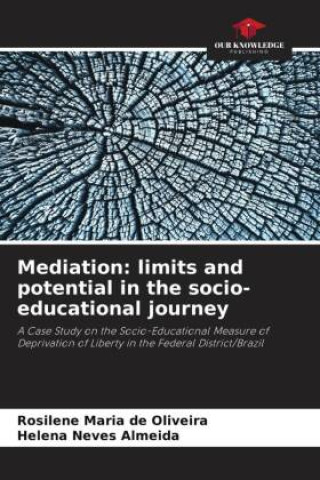
Mediation: limits and potential in the socio-educational journey
 Engleski
 133 b
133 b
Do 30 dana za povrat
Kupci su kupili i


 /
/
 Meki uvez
 7.99
€
7.99
€



 /
Meki uvez
20.00
€
/
Meki uvez
20.00
€


 /
Meki uvez
23.80
€
/
Meki uvez
23.80
€














 /
Meki uvez
9.29
€
/
Meki uvez
9.29
€

 /
Tvrdi uvez
39.71
€
/
Tvrdi uvez
39.71
€


In the 1990s, Brazil established democratic regulations to guarantee the rights of children and adolescents. It instituted a system for managing offences committed by adolescents, combining accountability with the prevalence of pedagogical perspectives, namely socio-educational measures. This work analyses the feasibility of conflict mediation processes between adolescents serving a socio-educational measure of deprivation of liberty. The data presented resulted from a case study carried out in an institution in the Federal District, in the Centre-West region of Brazil. The work includes: identifying the typology of conflicts between peers and the institutional mechanisms used in response to the conflict; characterising the sample of the population served; and the subjects' perception of the feasibility of applying mediation. The results of the research point to the institution's tendency towards conflict management based on isolation as a limit. In this context, the potential of mediation lies in engendering alternative courses of action capable of introducing new learning and changing the scale of conflicts.


Informacije o knjizi
Engleski

Poklonite ovu knjigu još danas
To je jednostavno
1 Dodajte knjigu u košaricu i odaberite isporuku kao poklon 2 Zauzvrat ćemo vam poslati kupon 3 Knjiga dolazi na adresu poklonoprimcaMoglo bi vas zanimati i












 /
Tvrdi uvez
202.77
€
/
Tvrdi uvez
202.77
€





Dobar dan! Ja sam Libroamiko, vaš književni savjetnik.
Kako vam mogu pomoći?