
 Kontakt
 Kako kupovati
Dostava
Savjetnik za kupnju
 Engleski
 279 b
279 b
Do 30 dana za povrat
Kupci su kupili i



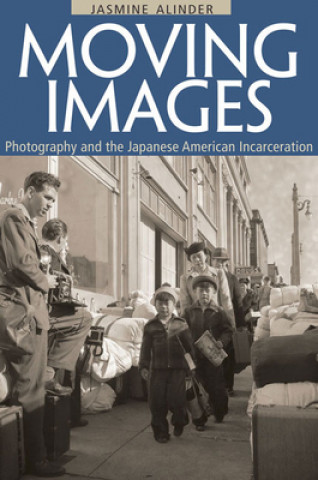
When the American government began impounding Japanese American citizens after Pearl Harbor, photography became a battleground. The control of the means of representation affected nearly every aspect of the incarceration, from the mug shots criminalizing Japanese Americans to the prohibition of cameras in the hands of inmates. The government also hired photographers to make an extensive record of the forced removal and incarceration. In this insightful study, Jasmine Alinder explores the photographic record of the imprisonment in war relocation centres such as Manzanar, Tule Lake, Jerome, and others. She investigates why photographs were made, how they were meant to function, and how they have been reproduced and interpreted subsequently by the popular press and museums in constructing versions of public history. Alinder provides calibrated readings of the photographs from this period, including works by Dorothea Lange, Ansel Adams, Manzanar camp inmate Toyo Miyatake (who constructed his own camera to document the complicated realities of camp life), and contemporary artists Patrick Nagatani and Masumi Hayashi. Illustrated with more than forty photographs, "Moving Images" reveals the significance of the camera in the process of incarceration as well as the construction of race, citizenship, and patriotism in this complex historical moment.


Informacije o knjizi
Engleski
Kategorija

Poklonite ovu knjigu još danas
To je jednostavno
1 Dodajte knjigu u košaricu i odaberite isporuku kao poklon 2 Zauzvrat ćemo vam poslati kupon 3 Knjiga dolazi na adresu poklonoprimcaMoglo bi vas zanimati i








 /
/
 Meki uvez
 48.89
€
48.89
€

 /
Tvrdi uvez
13.93
€
/
Tvrdi uvez
13.93
€
Dobar dan! Ja sam Libroamiko, vaš književni savjetnik.
Kako vam mogu pomoći?