
 Kontakt
 Kako kupovati
Dostava
Savjetnik za kupnju
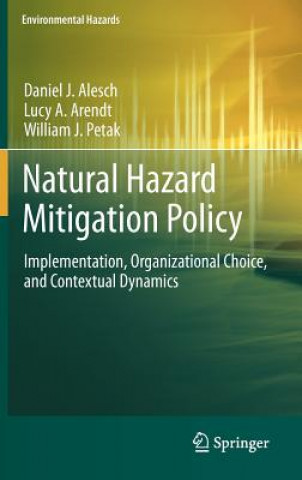
Natural Hazard Mitigation Policy
Implementation, Organizational Choice, and Contextual Dynamics
 Engleski
 249 b
249 b
Do 30 dana za povrat
Kupci su kupili i




















The negative consequences of natural hazard events are staggering and growing. Governments are acting to increase community resilience, reduce losses, and facilitate recovery, but these actions do not always yield anticipated consequences. This book is a compelling interdisciplinary analysis of California s efforts to ensure that acute care hospitals survive earthquakes and continue to function in the aftermath. The book weaves together several threads essential to understanding the effectiveness of public policies intended to reduce the consequences of natural hazard events: public policy design and administration, the hazard mitigation investment decision made by targeted organizations, and contextual dynamics. §"A terrific study of shortfalls in the implementation of risk-reduction policy -- highly readable, full of insights, and very policy relevant." Peter J. May, Donald R. Matthews Distinguished Professor of American Politics, University of Washington, Seattle USA §"This is an exceptional book by three of the leading hazard mitigation researchers and must reading for both scholars and practitioners in the field." William A. Anderson, National Research Council, National Academy of Sciences


Informacije o knjizi
Engleski

Poklonite ovu knjigu još danas
To je jednostavno
1 Dodajte knjigu u košaricu i odaberite isporuku kao poklon 2 Zauzvrat ćemo vam poslati kupon 3 Knjiga dolazi na adresu poklonoprimcaMoglo bi vas zanimati i










 /
/
 Meki uvez
 11.40
€
11.40
€
 /
Meki uvez
36.35
€
/
Meki uvez
36.35
€













Dobar dan! Ja sam Libroamiko, vaš književni savjetnik.
Kako vam mogu pomoći?