
 Kontakt
 Kako kupovati
Dostava
Savjetnik za kupnju
 Engleski
 38 b
38 b
 Novo
Novo
Do 30 dana za povrat

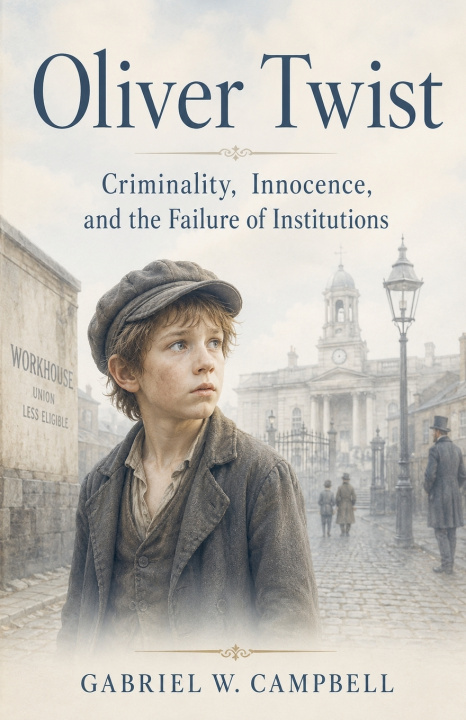
From its first serialized appearance in Bentley's Miscellany between 1837 and 1839, Oliver Twist has occupied a singular place in the Victorian imagination. It is at once a melodrama of urban criminality, a sentimental tale of endangered innocence, and a scathing indictment of the institutions charged with managing poverty in nineteenth‑century Britain. The novel's enduring power lies in the way these strands intertwine: criminality is not merely a social problem but a manufactured condition; innocence is not simply a moral state but a fragile construct threatened by systemic neglect; and institutions-whether the workhouse, the parish, the courts, or the police-fail not because of isolated incompetence but because they are built upon ideological foundations that privilege order over compassion and property over people. This book begins from the premise that Dickens's narrative is not simply a story about a boy who escapes the underworld but a sustained meditation on how societies create the very criminality they claim to suppress. In tracing Oliver's journey from the workhouse to the criminal gang and finally to the sanctuary of middle‑class domesticity, Dickens exposes the mechanisms through which Victorian England defined, produced, and punished deviance.


Informacije o knjizi
Engleski

Poklonite ovu knjigu još danas
To je jednostavno
1 Dodajte knjigu u košaricu i odaberite isporuku kao poklon 2 Zauzvrat ćemo vam poslati kupon 3 Knjiga dolazi na adresu poklonoprimcaDobar dan! Ja sam Libroamiko, vaš književni savjetnik.
Kako vam mogu pomoći?