
 Kontakt
 Kako kupovati
Dostava
Savjetnik za kupnju
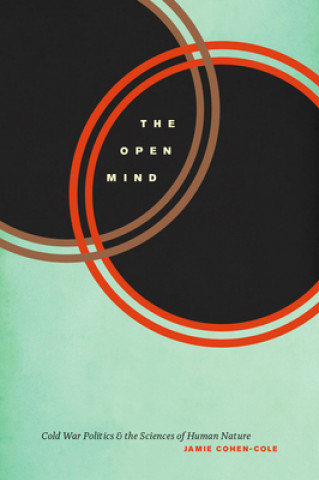
Open Mind
 Engleski
 254 b
254 b
 Pripremamo
 Termin nepoznat
Do 30 dana za povrat
Kupci su kupili i








 /
/
 Meki uvez
 31.96
€
31.96
€




 /
Meki uvez
33.48
€
/
Meki uvez
33.48
€




The Open Mind chronicles the development and promulgation of a scientific vision of the rational, creative, and autonomous self, demonstrating how this self became a defining feature of Cold War culture. Jamie Cohen-Cole illustrates how from 1945 to 1965 policy makers and social critics used the idea of an open-minded human nature to advance centrist politics. They reshaped intellectual culture and instigated nationwide educational reform that promoted more open, and indeed more human, minds. The new field of cognitive science was central to this project, as it used popular support for open-mindedness to overthrow the then-dominant behaviorist view that the mind either could not be studied scientifically or did not exist. Cognitive science also underwrote the political implications of the open mind by treating it as the essential feature of human nature. While the open mind unified America in the first two decades after World War II, between 1965 and 1975 battles over the open mind fractured American culture as the ties between political centrism and the scientific account of human nature began to unravel. During the late 1960s, feminists and the New Left repurposed Cold War era psychological tools to redefine open-mindedness as a characteristic of left-wing politics. As a result, once liberal intellectuals became neoconservative, and in the early 1970s, struggles against open-mindedness gave energy and purpose to the right wing.


Informacije o knjizi
Engleski
Kategorija

Poklonite ovu knjigu još danas
To je jednostavno
1 Dodajte knjigu u košaricu i odaberite isporuku kao poklon 2 Zauzvrat ćemo vam poslati kupon 3 Knjiga dolazi na adresu poklonoprimcaMoglo bi vas zanimati i


 /
Meki uvez
31.56
€
/
Meki uvez
31.56
€












Dobar dan! Ja sam Libroamiko, vaš književni savjetnik.
Kako vam mogu pomoći?