
 Kontakt
 Kako kupovati
Dostava
Savjetnik za kupnju
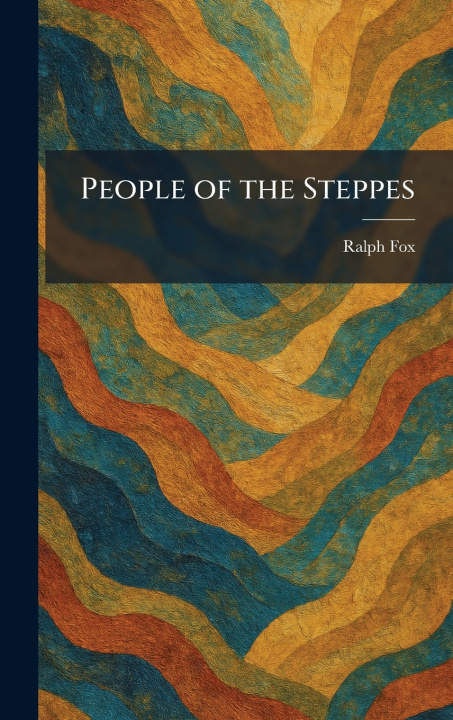
People of the Steppes
 Engleski
 81 b
81 b
 Novo
Novo
30 dana za povrat kupljenih proizvoda

"People of the Steppes" is a compelling firsthand account of life and transformation in the vast grasslands of Central Asia during the early 1920s. The work captures a pivotal moment in history as the traditional nomadic cultures of the Kirghiz and other steppe peoples encountered the sweeping political and social changes brought by the Russian Revolution and its aftermath. Part travelogue and part ethnographic study, the narrative provides a vivid window into a region defined by its rugged landscape and the resilient spirit of its inhabitants.
The book details the author's journeys through Southeast Russia and the Caucasus, offering insightful observations on the customs, hardships, and daily rhythms of the steppe dwellers. The text explores the complex relationship between the land and its people, documenting the transition from ancient tribal ways to a burgeoning new social order. With a keen eye for detail and a deep appreciation for the cultural heritage of the region, "People of the Steppes" remains an essential primary source for readers interested in Central Asian history, the early Soviet era, and the enduring legacy of nomadic civilizations. It is a masterful blend of adventure and social commentary that preserves the spirit of a world in flux.
This work has been selected by scholars as being culturally important, and is part of the knowledge base of civilization as we know it. This work was reproduced from the original artifact, and remains as true to the original work as possible. Therefore, you may see the original copyright references, library stamps (as most of these works have been housed in our most important libraries around the world), and other notations in the work.
This work is in the public domain in the United States of America, and possibly other nations. Within the United States, you may freely copy and distribute this work, as no entity (individual or corporate) has a copyright on the body of the work.
As a reproduction of a historical artifact, this work may contain missing or blurred pages, poor pictures, errant marks, etc. Scholars believe, and we concur, that this work is important enough to be preserved, reproduced, and made generally available to the public. We appreciate your support of the preservation process, and thank you for being an important part of keeping this knowledge alive and relevant.


Informacije o knjizi
Engleski
