
 Kontakt
 Kako kupovati
Dostava
Savjetnik za kupnju
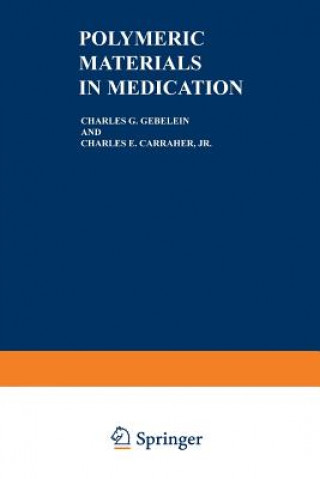
Polymeric Materials in Medication
 Engleski
 373 b
373 b
Do 30 dana za povrat
Kupci su kupili i





The art of using chemical agents for medication dates back into antiquity, although most of the earliest examples used plants, herbs, and other natural materials. The old Egyptian medical papyri, which date from before 1400 B. C. , contain dozens of examples of such medicinal plants and animal extracts. In the Old Testament of the Bible, we can find references to using oil to soften the skin and sores (Isaiah 1:6), the use of tree leaves for medicine (Ezekiel 47:12) and various medical balms (Jeremiah 8:22). Not all these recipes were effective in curing the ailments for which they were used and sometimes the treatment was worse than the disease. Nevertheless, the art of using chemical derived agents for medicines continued to develop and received great impetus during the present century with the rise of synthetic organic chemistry. One of the most vexing problems has always been to achieve specifici ty with the medications. While some medical agents do indeed possess a relatively high degree of specificity, most agents are far more systemic than would be desired. Much of the research efforts to correct this deficiency has centered on modifying the chemical agents themselves. Unfortunately, there are severe limitations in this approach since minor modifications often drastically affect the therapeutic activity and can even render the drug completely ineffective, or worse.


Informacije o knjizi
Engleski
Kategorija

Poklonite ovu knjigu još danas
To je jednostavno
1 Dodajte knjigu u košaricu i odaberite isporuku kao poklon 2 Zauzvrat ćemo vam poslati kupon 3 Knjiga dolazi na adresu poklonoprimcaMoglo bi vas zanimati i






 /
/
 Meki uvez
 14.76
€
14.76
€
Dobar dan! Ja sam Libroamiko, vaš književni savjetnik.
Kako vam mogu pomoći?