
 Kontakt
 Kako kupovati
Dostava
Savjetnik za kupnju
 Engleski
 91 b
91 b
30 dana za povrat kupljenih proizvoda
Kupci su kupili i






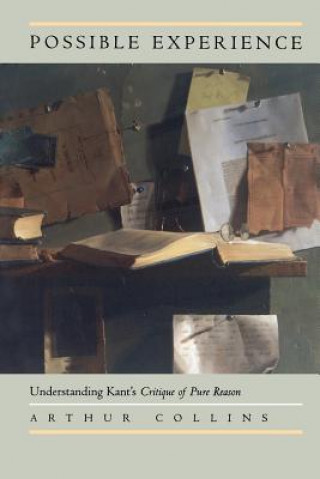
Arthur Collins's succinct, revisionist exposition of Kant's Critique of Pure Reason brings a new clarity to this notoriously difficult text. Until recently most readers, ascribing broadly Cartesian assumptions to Kant, have concluded that the Critique advances an idealist philosophy, because Kant calls it "transcendental idealism" and because the work abounds in apparent confirmations of that interpretation. Collins maintains not only that this reading of Kant is false but also that it conceals Kant's real achievements. To counter it, he addresses the themes and passages in the Critique that seem to require an idealist thesis and shows how they may be better understood without ascribing any idealist philosophy to Kant. His account coheres with Kant's explicit "refutations" of idealism, it fits Kant's rejection of the imputation of idealism to him by early critics and readers, and it validates Kant's contention that the second edition of the Critique changes the expression but not the doctrine of the first.


Informacije o knjizi
Engleski

Poklonite ovu knjigu još danas
To je jednostavno
1 Dodajte knjigu u košaricu i odaberite isporuku kao poklon 2 Zauzvrat ćemo vam poslati kupon 3 Knjiga dolazi na adresu poklonoprimcaMoglo bi vas zanimati i







Dobar dan! Ja sam Libroamiko, vaš književni savjetnik.
Kako vam mogu pomoći?