
 Kontakt
 Kako kupovati
Dostava
Savjetnik za kupnju
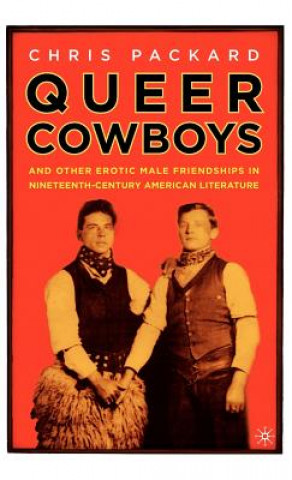
Queer Cowboys
 Engleski
 147 b
147 b
Do 30 dana za povrat
Kupci su kupili i















 binding.
 154.69
€
154.69
€

 /
Meki uvez
28.01
€
/
Meki uvez
28.01
€


 /
Meki uvez
24.98
€
/
Meki uvez
24.98
€


 /
Meki uvez
13.60
€
/
Meki uvez
13.60
€





Why do the earliest representations of cowboy-figures symbolizing the highest ideals of manhood in American culture exclude male-female desire while promoting homosocial and homoerotic bonds? Evidence from the best-known Western writers and artists of the post-Civil War period - Owen Wister, Mark Twain, Frederic Remington, George Catlin - as well as now-forgotten writers, illustrators, and photographers, suggest that in the period before the word 'homosexual' and its synonyms were invented, same-sex intimacy and erotic admiration were key aspects of a masculine code. These males-only clubs of journalists, cowboys, miners, Indian vaqueros defined themselves by excluding femininity and the cloying ills of domesticity, while embracing what Roosevelt called 'strenuous living' with other bachelors in the relative 'purity' of wilderness conditions. Queer Cowboys recovers this forgotten culture of exclusively masculine, sometimes erotic, and often intimate camaraderie in fiction, photographs, illustrations, song lyrics, historical ephemera, and theatrical performances.


Informacije o knjizi
Engleski
Kategorija

Poklonite ovu knjigu još danas
To je jednostavno
1 Dodajte knjigu u košaricu i odaberite isporuku kao poklon 2 Zauzvrat ćemo vam poslati kupon 3 Knjiga dolazi na adresu poklonoprimcaMoglo bi vas zanimati i







 /
Meki uvez
19.94
€
/
Meki uvez
19.94
€





 /
Meki uvez
107.42
€
/
Meki uvez
107.42
€

 /
Meki uvez
47.16
€
/
Meki uvez
47.16
€


Dobar dan! Ja sam Libroamiko, vaš književni savjetnik.
Kako vam mogu pomoći?