
 Kontakt
 Kako kupovati
Dostava
Savjetnik za kupnju
 Engleski
 124 b
124 b
Do 30 dana za povrat
Kupci su kupili i




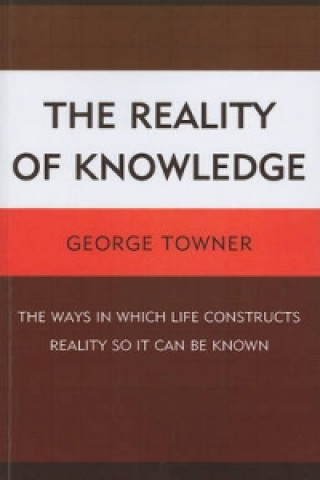
The Reality of Knowledge completes a trilogy begun with The Architecture of Knowledge (1980) and Processes of Knowledge (2001). It presents a holistic analysis of knowledge and the reality that is known. The book shows how living things, including humans, construct reality in specific ways that maximize their ability to know it. Different species construct different areas of reality, but they all use the same methods: objectification, categorization, and generalization. In objectification, organisms delimit specific objects of knowledge out of the unknown reality shared by all life. Using categorization, organisms group objects to understand them better, thereby creating new category objects. Through generalization, organisms combine categories logically to create models of reality. Support for this analysis comes from examining certain details of computer technology, because computer architectures have been designed to emulate the ways that reality is known and understood.


Informacije o knjizi
Engleski

Poklonite ovu knjigu još danas
To je jednostavno
1 Dodajte knjigu u košaricu i odaberite isporuku kao poklon 2 Zauzvrat ćemo vam poslati kupon 3 Knjiga dolazi na adresu poklonoprimcaMoglo bi vas zanimati i
 /
/
 Meki uvez
 51.13
€
51.13
€






 /
Tvrdi uvez
34.38
€
/
Tvrdi uvez
34.38
€
Dobar dan! Ja sam Libroamiko, vaš književni savjetnik.
Kako vam mogu pomoći?