
 Kontakt
 Kako kupovati
Dostava
Savjetnik za kupnju
Reflections on Judging
 Engleski

 90 b
90 b
30 dana za povrat kupljenih proizvoda
Kupci su kupili i













 /
/
 Meki uvez
 15.77
€
15.77
€




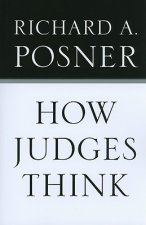
In "Reflections on Judging," Richard Posner distills the experience of his thirty-one years as a judge of the United States Court of Appeals for the Seventh Circuit. Surveying how the judiciary has changed since his 1981 appointment, he engages the issues at stake today, suggesting how lawyers should argue cases and judges decide them, how trials can be improved, and, most urgently, how to cope with the dizzying pace of technological advance that makes litigation ever more challenging to judges and lawyers. For Posner, legal formalism presents one of the main obstacles to tackling these problems. Formalist judges--most notably Justice Antonin Scalia--needlessly complicate the legal process by advocating "canons of constructions" (principles for interpreting statutes and the Constitution) that are confusing and self-contradictory. Posner calls instead for a renewed commitment to legal realism, whereby a good judge gathers facts, carefully considers context, and comes to a sensible conclusion that avoids inflicting collateral damage on other areas of the law. This, Posner believes, was the approach of the jurists he most admires and seeks to emulate: Oliver Wendell Holmes, Louis Brandeis, Benjamin Cardozo, Learned Hand, Robert Jackson, and Henry Friendly, and it is an approach that can best resolve our twenty-first-century legal disputes.


Informacije o knjizi
Engleski

Poklonite ovu knjigu još danas
To je jednostavno
1 Dodajte knjigu u košaricu i odaberite isporuku kao poklon 2 Zauzvrat ćemo vam poslati kupon 3 Knjiga dolazi na adresu poklonoprimcaMoglo bi vas zanimati i










 /
Meki uvez
17.49
€
/
Meki uvez
17.49
€












Dobar dan! Ja sam Libroamiko, vaš književni savjetnik.
Kako vam mogu pomoći?