
 Kontakt
 Kako kupovati
Dostava
Savjetnik za kupnju
 Engleski
 323 b
323 b
Do 30 dana za povrat
Kupci su kupili i














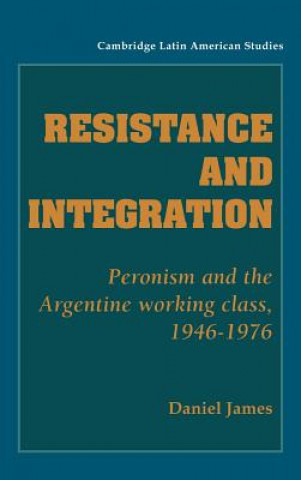
This book analyses the relationship between Peronism and the Argentine working class from the foundation of the Peronist movement in the mid 1940s to the overthrow of Peron's widow in 1976. It presents an account of such crucial issues as the role of the Peronist union bureaucracy and the impact of Peronist ideology on workers. Drawing on a variety of untapped sources, Daniel James confronts many of the dominant myths which have surrounded the movement. He argues that its role in containing working-class militancy cannot be explained solely in terms of manipulation, corruption or union gangsterism. The integration of Peronism into Argentine society has always been a complex and fragile operation, constantly undermined by the survival of the movement's original heretical content: its vision of a juster society in which the claim of the working class for a recognition of its social and political weight would be accepted.


Informacije o knjizi
Engleski
Kategorija

Poklonite ovu knjigu još danas
To je jednostavno
1 Dodajte knjigu u košaricu i odaberite isporuku kao poklon 2 Zauzvrat ćemo vam poslati kupon 3 Knjiga dolazi na adresu poklonoprimcaMoglo bi vas zanimati i








Dobar dan! Ja sam Libroamiko, vaš književni savjetnik.
Kako vam mogu pomoći?