
 Kontakt
 Kako kupovati

Dostava
Savjetnik za kupnju
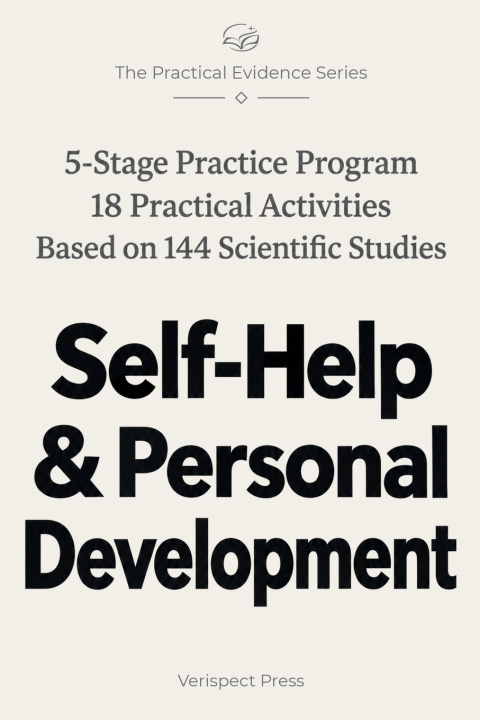
Self-Help & Personal Development
How to Turn Everyday Goals into Workable Plans, Get Started, and Adjust When Life Gets in the Way
 Engleski
 44 b
 Novo
Do 30 dana za povrat

Give a stalled intention a workable next step
A goal can matter to you and still stall when the next action is unclear, a distraction takes over, or a needed resource is missing. How do you decide what to change without turning every setback into a judgment about yourself?
A flexible 5-stage practice program helps you choose a target, prepare a response, perform the action, observe what happened, and review your next decision. Work on one manageable everyday intention, with 18 practical activities to select from as needed.
- Turn a broad goal into an action you can recognize and attempt.
- Build an if-then plan, examine an internal obstacle with WOOP, and check real dependencies.
- Choose a response to distraction, postponement, or limited attention that fits the actual problem.
- Use feedback and setbacks to decide whether to continue, adjust, pause, or seek support.
- Practice recall with checking and a later return, or choose one of four optional well-being practices.
The explanations draw on findings from 144 research publications, including reviews, and distinguish favorable, mixed, and null results. Ten additional practical sources support instructions and boundaries; source counts do not establish the effectiveness of every activity.
Four parts connect goal choice and planning with everyday action, setbacks, and learning. You can follow the sequence or return to the chapter that addresses your current obstacle. Worked fictional examples show what a choice looks like and what information could change it. A separate claim-checking section helps you distinguish progress on a trained task from evidence of improvement in everyday life.
Instructions are included, with personal writing and action outside the copy. There is no universal daily routine or fixed completion deadline. The combined cycle is author-created and has not been tested as a whole. The focus is everyday self-regulation and learning, with clear limits around health decisions and professional care.
Choose Self-Help & Personal Development to work through one meaningful goal and make a more informed decision about your next step.
Table of Contents
Introduction
Part I: Choose a direction and begin
Chapter 1: Choose self-help with a clear view of the evidence
Chapter 2: Choose a goal you can act on
Chapter 3: Turn intentions into workable plans
Part II: Make everyday action more workable
Chapter 4: Build habits that fit your circumstances
Chapter 5: Track progress without turning it into a scorecard
Chapter 6: Make distractions and temptations easier to handle
Chapter 7: Begin tasks you keep postponing
Chapter 8: Use time, attention, and breaks deliberately
Part III: Support well-being through setbacks
Chapter 9: Learn from setbacks without mindset slogans
Chapter 10: Work with emotions in the situation you face
Chapter 11: Build coping resources while respecting life circumstances
Chapter 12: Explore well-being practices without forcing positivity
Part IV: Learn, apply, and sustain your practice
Chapter 13: Learn so you can remember and use the material
Chapter 14: Judge brain-training claims by the skills they test
Chapter 15: Apply behavior-change tools without importing a health program
Chapter 16: Build your own cycle of practice and review
Conclusion
Bibliography


Informacije o knjizi
Engleski

Poklonite ovu knjigu još danas
To je jednostavno
1 Dodajte knjigu u košaricu i odaberite isporuku kao poklon 2 Zauzvrat ćemo vam poslati kupon 3 Knjiga dolazi na adresu poklonoprimcaDobar dan! Ja sam Libroamiko, vaš književni savjetnik.
Kako vam mogu pomoći?