
 Kontakt
 Kako kupovati
Dostava
Savjetnik za kupnju
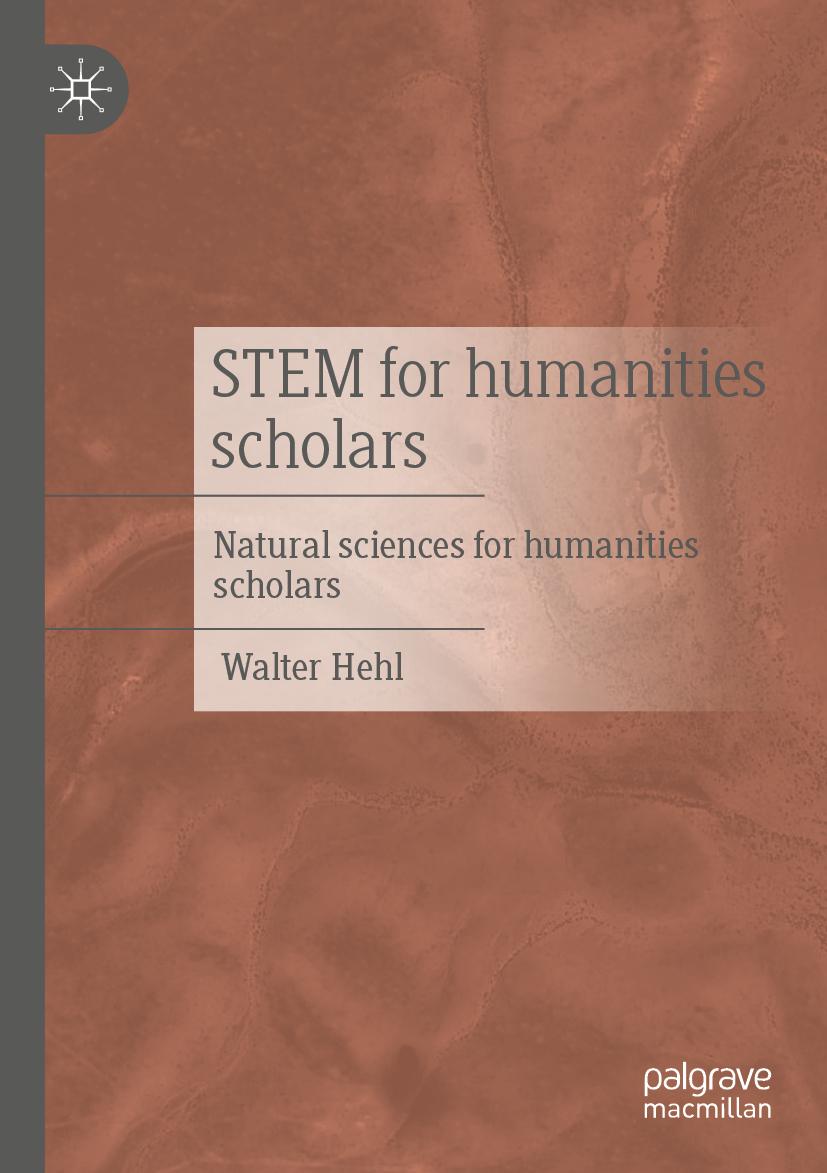
STEM for humanities scholars
 Engleski
 257 b
257 b
 Novo
Novo
Do 30 dana za povrat
Kupci su kupili i



 /
/
 Meki uvez
 71.02
€
71.02
€

The beginnings of natural sciences and humanities in antiquity were shared, but by the end of the 19th century, the natural sciences had developed dominantly through their successes. In response to this dominance, the philosopher Wilhelm Dilthey coined the term Geisteswissenschaften (humanities) in 1883. On the other hand, it was clear in the natural sciences that entire areas of the mind were inaccessible to them, such as sensory experiences and consciousness.
This book attempts to show that this sharp divide has softened. Physics has become more intellectual, and the technology of the mind has developed: fundamentally, this is information technology. Physics for the inanimate and computer science (with a physical basis) for all living things and for the computer together explain the world. With mathematics as its foundation and tool, this results in STEM (MINT in German: Mathematik, Informatik, Naturwissenschaft, Technik).
An intellectual worldview without STEM is not possible with dignity. There are several STEM fields that are directly useful to the humanities. Examples include the principle of the laser and the concept of entropy. A third intellectual domain remains outside: art. But art and STEM are not opposites.


Informacije o knjizi
Engleski
Kategorija

Poklonite ovu knjigu još danas
To je jednostavno
1 Dodajte knjigu u košaricu i odaberite isporuku kao poklon 2 Zauzvrat ćemo vam poslati kupon 3 Knjiga dolazi na adresu poklonoprimcaMoglo bi vas zanimati i








Dobar dan! Ja sam Libroamiko, vaš književni savjetnik.
Kako vam mogu pomoći?