
 Kontakt
 Kako kupovati
Dostava
Savjetnik za kupnju
 Engleski
 25 b
25 b
 Novo
Novo
Do 30 dana za povrat

Every morning, a nursing assistant named Ashley opens an app and does something no worker should have to do: she bids against people she can't see for the right to work at all. She lowers her price, and lowers it again, until she wins a shift - then watches the app deduct fees for a background check she already paid for, insurance she never chose, and the privilege of being paid on time.
This isn't a glitch. It's the business model.
Across nursing, rideshare, delivery, and a widening range of white-collar freelance work, a new wage-setting regime has quietly taken hold. Platforms collect a worker's entire behavioral history - every accepted shift, every cancellation, every sign of financial pressure - and use it to calculate the lowest wage that specific person will accept, then charge them a fee for the opportunity to accept it. Legal scholars call it algorithmic wage discrimination. This book calls it what it looks like from the worker's side of the screen: an auction rigged before it starts.
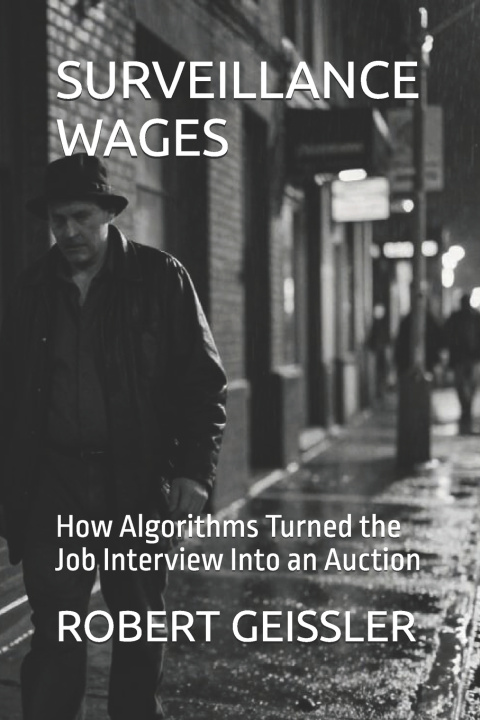
Surveillance Wages traces this model from its origins in ride-hailing through its expansion into hospital staffing, warehouses, and freelance marketplaces - and makes the case, grounded in classical market economics, that the problem isn't the price mechanism itself. It's that only one side of the transaction can see the data. Drawing on legal scholarship, investigative journalism, and the emerging fight in state legislatures, Robert F. Geissler lays out exactly what a repaired labor market would require - not the end of flexible work, but the restoration of the information, floor, and exit rights every functioning market depends on.


Informacije o knjizi
Engleski
