
 Kontakt
 Kako kupovati
Dostava
Savjetnik za kupnju
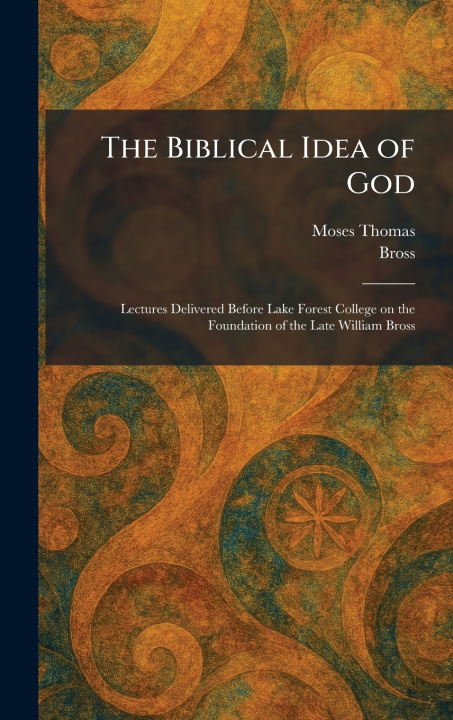
The Biblical Idea of God
Lectures Delivered Before Lake Forest College on the Foundation of the Late William Bross
 Engleski
 79 b
79 b
 Novo
Novo
30 dana za povrat kupljenih proizvoda

"The Biblical Idea of God" offers a comprehensive and scholarly examination of the evolving perception of the divine as presented through the historical and literary layers of the Bible. Based on a series of insightful lectures delivered at Lake Forest College, this work systematically explores how the biblical authors conceptualized God's nature, character, and relationship with the world.
Moses Bross Thomas traces the development of religious thought from the early traditions of the Old Testament through to the foundational teachings of the New Testament. The text delves into critical themes such as the unity, personality, and moral holiness of God, providing a rigorous analysis of the intellectual and spiritual frameworks that define the biblical worldview. By grounding the discussion in scriptural evidence, Thomas provides readers with a clear understanding of the progression of monotheistic thought and its profound implications for theology and ethics.
This volume serves as an essential resource for students of theology, biblical scholars, and those interested in the historical development of religious ideas. "The Biblical Idea of God" remains a significant contribution to religious literature, offering a timeless investigation into the fundamental pillars of faith and the enduring power of the biblical narrative.
This work has been selected by scholars as being culturally important, and is part of the knowledge base of civilization as we know it. This work was reproduced from the original artifact, and remains as true to the original work as possible. Therefore, you may see the original copyright references, library stamps (as most of these works have been housed in our most important libraries around the world), and other notations in the work.
This work is in the public domain in the United States of America, and possibly other nations. Within the United States, you may freely copy and distribute this work, as no entity (individual or corporate) has a copyright on the body of the work.
As a reproduction of a historical artifact, this work may contain missing or blurred pages, poor pictures, errant marks, etc. Scholars believe, and we concur, that this work is important enough to be preserved, reproduced, and made generally available to the public. We appreciate your support of the preservation process, and thank you for being an important part of keeping this knowledge alive and relevant.


Informacije o knjizi
Engleski
