
 Kontakt
 Kako kupovati
Dostava
Savjetnik za kupnju
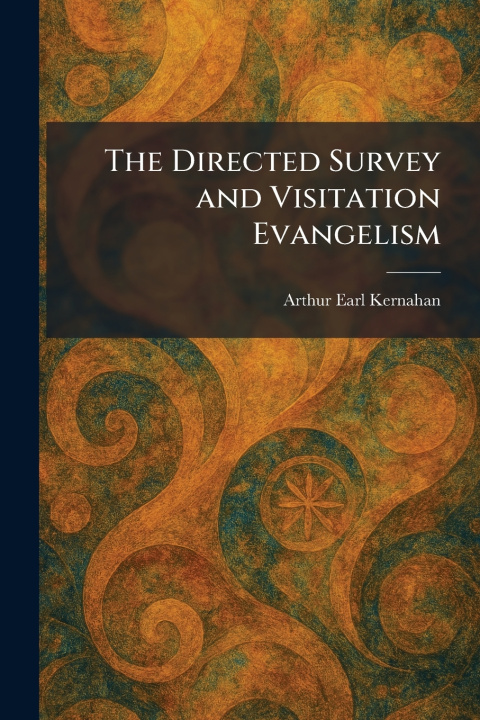
The Directed Survey and Visitation Evangelism
 Engleski
 42 b
42 b
30 dana za povrat kupljenih proizvoda

"The Directed Survey and Visitation Evangelism" is a practical guide to church growth and community outreach, focusing on systematic methods of personal visitation. Written by Arthur Earl Kernahan, a prominent figure in early 20th-century religious administration, the work outlines a structured approach for congregations to connect with their local communities and expand their reach.
The text emphasizes the importance of the directed survey as a foundational tool for understanding the spiritual and social landscape of a neighborhood. By gathering precise data and organizing disciplined visitation efforts, Kernahan argues that churches can more effectively share their message and integrate new members into the fold. The volume provides detailed instructions on how to conduct these surveys, train lay volunteers, and maintain follow-up procedures with prospective congregants.
As a significant historical resource for religious studies and pastoral ministry, this book offers unique insight into the evolution of American evangelistic strategies. It remains a valuable reference for those interested in the history of Protestant outreach and the practical implementation of "visitation evangelism" as a means of fostering spiritual community and sustainable institutional growth.
This work has been selected by scholars as being culturally important, and is part of the knowledge base of civilization as we know it. This work was reproduced from the original artifact, and remains as true to the original work as possible. Therefore, you may see the original copyright references, library stamps (as most of these works have been housed in our most important libraries around the world), and other notations in the work.
This work is in the public domain in the United States of America, and possibly other nations. Within the United States, you may freely copy and distribute this work, as no entity (individual or corporate) has a copyright on the body of the work.
As a reproduction of a historical artifact, this work may contain missing or blurred pages, poor pictures, errant marks, etc. Scholars believe, and we concur, that this work is important enough to be preserved, reproduced, and made generally available to the public. We appreciate your support of the preservation process, and thank you for being an important part of keeping this knowledge alive and relevant.


Informacije o knjizi
Engleski
