
 Kontakt
 Kako kupovati
Dostava
Savjetnik za kupnju
 Engleski
 56 b
56 b
 Novo
Novo
30 dana za povrat kupljenih proizvoda

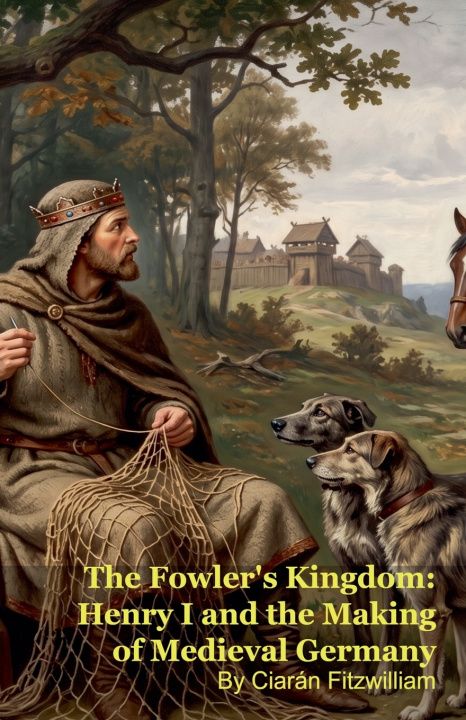
The Fowler's Kingdom: Henry I and the Making of Medieval Germany
In the early tenth century, the eastern Frankish world was collapsing. Magyar horsemen burned monasteries and slaughtered peasants from Bavaria to Saxony. The great dukes governed their territories in effective independence, indifferent to a royal authority too weak to protect them. The kingdom that Charlemagne had built was dissolving into its component parts, and no ruler had been found capable of reversing the dissolution.
Then a Saxon duke who had been catching birds when the messengers arrived to tell him he was king changed everything.
Henry I, Henry the Fowler, governed East Francia from 919 to 936, and in those seventeen years he accomplished something that the entire Carolingian tradition had failed to achieve in the preceding century of crisis: he made the kingdom work. Through a combination of military genius, diplomatic patience, and an instinct for the possible that his contemporaries found remarkable and that historians have never fully explained, Henry built the political and military infrastructure of the medieval German state from the ruins of a catastrophe that had seemed terminal.
He fortified the landscape. He trained a cavalry capable of defeating the Magyars. He won the battle that ended forty years of civilizational crisis. And he arranged the succession so that what he built could survive him.
This is the story of how he did it, and why it still matters.


Informacije o knjizi
Engleski
Kategorija
