
 Kontakt
 Kako kupovati
Dostava
Savjetnik za kupnju
 Engleski
 45 b
45 b
Do 30 dana za povrat

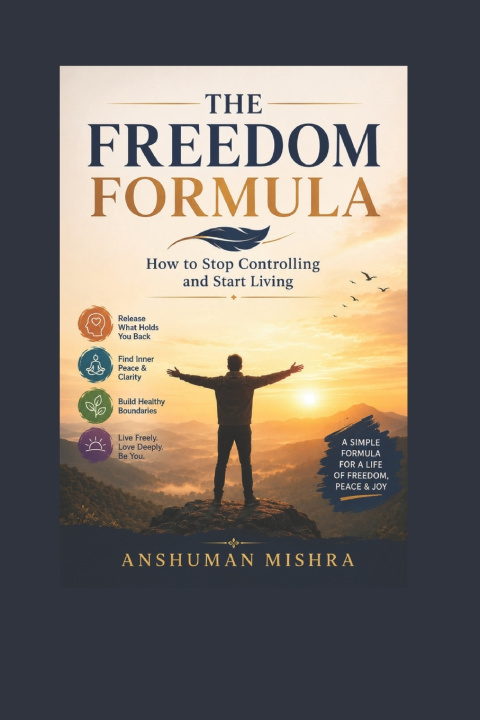
The Freedom Formula: How to Stop Controlling and Start Living is more than a self-help manual; it is a manifesto for personal sovereignty. It recognizes a universal, painful truth: most modern anxiety is self-imposed, a direct result of our relentless, often unconscious, effort to control people, outcomes, time, and even our own emotional experience. The book posits that freedom is not an external condition-it is an internal skill set, a deliberate, moment-to-moment choice to let go of the illusion of control and embrace the reality of influence.
The book is meticulously structured into fifteen chapters, moving the reader systematically from deep self-awareness to lasting spiritual practice. The journey is not one of mere intellectual comprehension, but of active psychological reprogramming.
Introduction: The Hidden Prison of Control 1-22
The book begins with a powerful diagnosis. It illustrates the ubiquitous nature of the "control impulse," showing how it manifests in the smallest, most mundane aspects of life. It's the parent insisting their adult child pursue a specific career, the friend micromanaging a social event, or the partner demanding perfect emotional reciprocity.The book immediately establishes the emotional cost of this controlling behavior:
- Stress and Anxiety: The constant state of high alert that comes from attempting to manage the universe.
- Resentment: The slow poison that control injects into relationships, making the controller feel unappreciated and the controlled feel smothered.
- Exhaustion: The sheer mental fatigue of constantly defending against worst-case scenarios.
Chapter 1: Why We Try to Control Everything 23-46
This chapter establishes the psychological bedrock of the control impulse. It delves into the true, often hidden, drivers:- Fear of Loss: The primal fear of losing a loved one, a job, or security.
- Insecurity and Ego: The belief that "I am only safe/worthy if I can guarantee this outcome." The ego's demand to be the primary author of reality.
- Childhood Conditioning: How early experiences of trauma, instability, or over-parenting taught us that the only way to survive is to be hyper-vigilant and controlling.
Chapter 2: The Release Principle 47-72
This chapter provides the philosophical turning point: The Release Principle. It clarifies the crucial distinction:- Responsibility: Owning your effort, your choices, and your reactions. This is necessary and empowering.
- Control: Owning the outcome, the choices of others, or external circumstances. This is impossible and debilitating.
Chapter 3: The Science of Inner Peace 73-94
The book grounds its advice in science, addressing the modern reader's need for evidence. This chapter explores:- Neuroscience of Stress: How the controlling mind lives in the Sympathetic Nervous System (fight-or-flight).
- Emotional Regulation: The capacity to manage one's own emotional state without needing external events to change.


Informacije o knjizi
Engleski

Poklonite ovu knjigu još danas
To je jednostavno
1 Dodajte knjigu u košaricu i odaberite isporuku kao poklon 2 Zauzvrat ćemo vam poslati kupon 3 Knjiga dolazi na adresu poklonoprimcaDobar dan! Ja sam Libroamiko, vaš književni savjetnik.
Kako vam mogu pomoći?