
 Kontakt
 Kako kupovati
Dostava
Savjetnik za kupnju
 Engleski
 33 b
33 b
 Novo
Novo
Do 30 dana za povrat

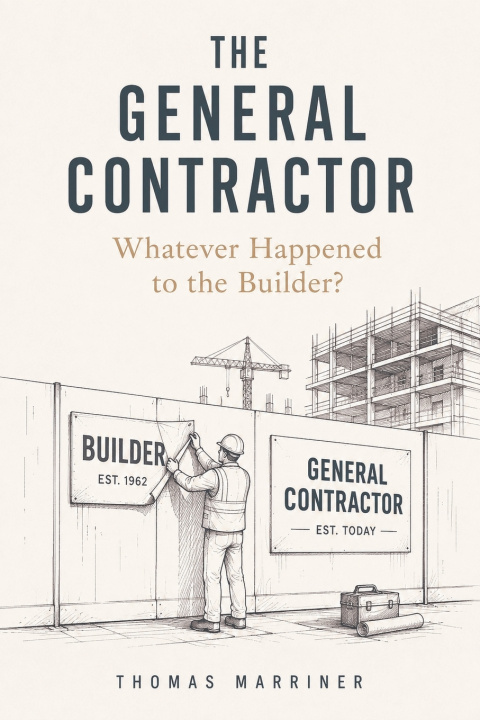
Once, the contractor seemed to be the builder. Today, much of the building is done by somebody else. So what, exactly, is the general contractor for?
The General Contractor: Whatever Happened to the Builder? traces the evolution of the contractor from the master builders and great railway contractors of the nineteenth century to the management-led, design-and-build businesses of today.
It tests the familiar claim that modern contractors have been hollowed out as trades, plant, design and specialist knowledge moved into the supply chain. The answer is more complicated. Productive capability migrated outward, while the need for judgement, coordination and integration moved inward.
Through ideas including the Hollow Contractor, the Knowledge Boundary and the Hoarding Test, Thomas Marriner asks what capability must remain inside the organisation responsible for the whole when specialists increasingly know more about the individual parts.
The answer is competent generalism: the specialist ability to understand and hold together the whole.
At its core are five capabilities a viable contractor must retain: technical judgement, integrative capability, organisational capability, commercial judgement and financial capacity.
Written for contractors, construction managers, consultants, clients and anyone interested in how the modern construction industry really works, this is a book about what remains when the builder no longer does most of the building.


Informacije o knjizi
Engleski
