
 Kontakt
 Kako kupovati
Dostava
Savjetnik za kupnju
 Engleski
 56 b
56 b
 Novo
Novo
Do 30 dana za povrat

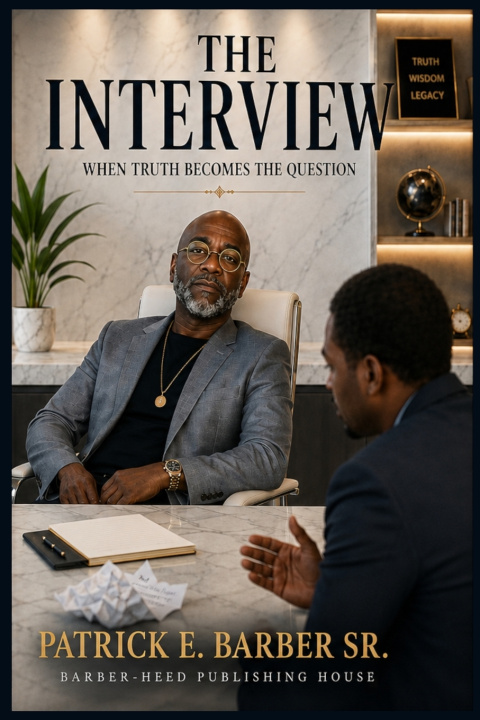
What happens when truth becomes the interviewer?
Patrick E. Barber Sr. traveled out of state for what appeared to be an important professional opportunity.
During the process, he was handed a sheet of ruled paper containing seven questions. The instructions were simple.
Read them.
Understand them.
Be prepared to discuss them.
But Barber placed the paper inside his attaché and never read it.
The next morning came a seemingly harmless question:
Had he read and understood the questions?
He had not.
But instead of admitting the mistake, he answered yes.
One small decision became another. Pride began protecting embarrassment. Assumption replaced knowledge. And a recoverable mistake became something much larger.
Years later, while writing about the experience, Barber came to an uncomfortable realization:
The person being interviewed was him.
The Interview transforms that experience into an examination of truth, self-deception, pride, confession, responsibility, faith, and restoration.
Using the memorable image of trying to force a square wooden peg into a round hole with a mallet, Barber explores what happens when we alter reality until it appears to fit the version of ourselves we want others-and sometimes ourselves-to believe.
But altered reality can never truly fit.
Throughout the book, Barber returns to the biblical account of Peter's denial of Jesus-not to equate the two experiences, but to examine the human struggle between fear, profession, failure, repentance, and restoration.
One question from the original interview remains at the center of the book:
"Tell us how much you love Jesus."
That question ultimately becomes larger than the original interview.
What happens when our profession meets our behavior?
What do we do when truth exposes us?
Can we say, I was wrong?
Can confession become peace?
Can failure become instruction rather than identity?
And what will we do differently when the next interview comes?
The Interview ultimately turns the chair toward the reader.
Because eventually every person encounters a moment when appearance and truth compete.
When that moment comes, remember three words:
READ THE PAPER.

Informacije o knjizi
Engleski
Kategorija

Poklonite ovu knjigu još danas
To je jednostavno
1 Dodajte knjigu u košaricu i odaberite isporuku kao poklon 2 Zauzvrat ćemo vam poslati kupon 3 Knjiga dolazi na adresu poklonoprimcaDobar dan! Ja sam Libroamiko, vaš književni savjetnik.
Kako vam mogu pomoći?