
 Kontakt
 Kako kupovati
Dostava
Savjetnik za kupnju
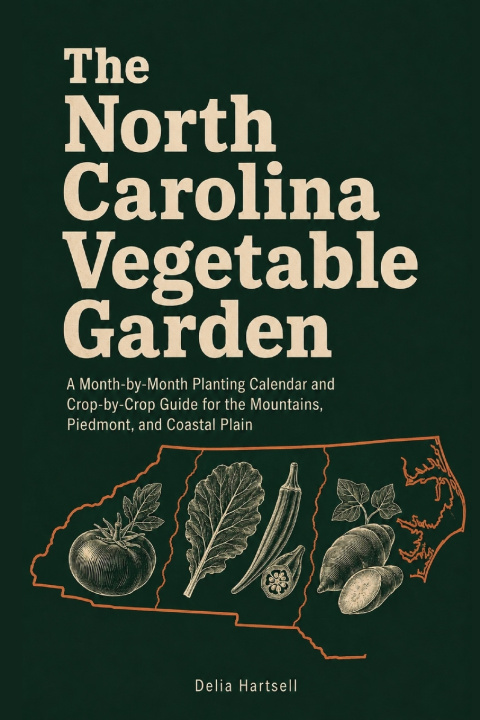
The North Carolina Vegetable Garden
A Month-by-Month Planting Calendar and Crop-by-Crop Guide for the Mountains, Piedmont, and Coastal Plain
 Engleski
 42 b
42 b
 Novo
Novo
Do 30 dana za povrat

You know what to plant. The question is when, and where you live decides it.
North Carolina is not one garden. The average last frost is May 1 in Boone and March 17 in Wilmington. That is six weeks apart in the same state, which is why a planting date copied from a national gardening book will be wrong for most of us, and why a guide that averages two states together is not much better.
And when you finally find a guide with the right dates, there is a second problem. You want to know about tomatoes, so you turn to May. Then you flip to June for the watering note. Then July for the disease. Then back to May because you have forgotten what it said. By the time you have assembled one crop's year, you are standing in the garden with dirt on your hands and a book open on the ground.
This one is built to be found in.
- Every date, three times. Mountains, Piedmont and Coastal Plain get their own column on every planting date in the book. Never a single statewide number.
- Two ways in. Twelve month chapters for "what do I do this week". Thirty-two crop files for "how do I grow this one thing", each with its entire year on one spread.
- Look up what you can see. A symptom index organised by yellow lower leaves, holes, dropped blossoms and split fruit, so you can find a fix in July without reading twelve chapters.
- Checklists, not essays. Tables for anything with a date or a number.
- Built on the 2023 hardiness zone revision, not the map it replaced.
Inside: planting and harvest windows for 32 crops by region, month-by-month job lists, frost dates by weather station, days-to-maturity tables, a succession-planting worksheet, the four problems that cost North Carolina gardeners the most crops, and where your county Extension office fits in.
It also tells you which crops are genuinely difficult here, and why, because a guide that says everything is easy is not doing you a favour.
For anyone growing vegetables in North Carolina, from a first raised bed to a long-standing plot.


Informacije o knjizi
Engleski

Poklonite ovu knjigu još danas
To je jednostavno
1 Dodajte knjigu u košaricu i odaberite isporuku kao poklon 2 Zauzvrat ćemo vam poslati kupon 3 Knjiga dolazi na adresu poklonoprimcaDobar dan! Ja sam Libroamiko, vaš književni savjetnik.
Kako vam mogu pomoći?